
Keto Breakfast Smoothie Recipes with a fat you can’t even taste
A blueberry avocado smoothie that hides its healthy fat so well, even skeptics won’t guess it’s in there.
 August 19, 2026
9 min read
August 19, 2026
9 min read
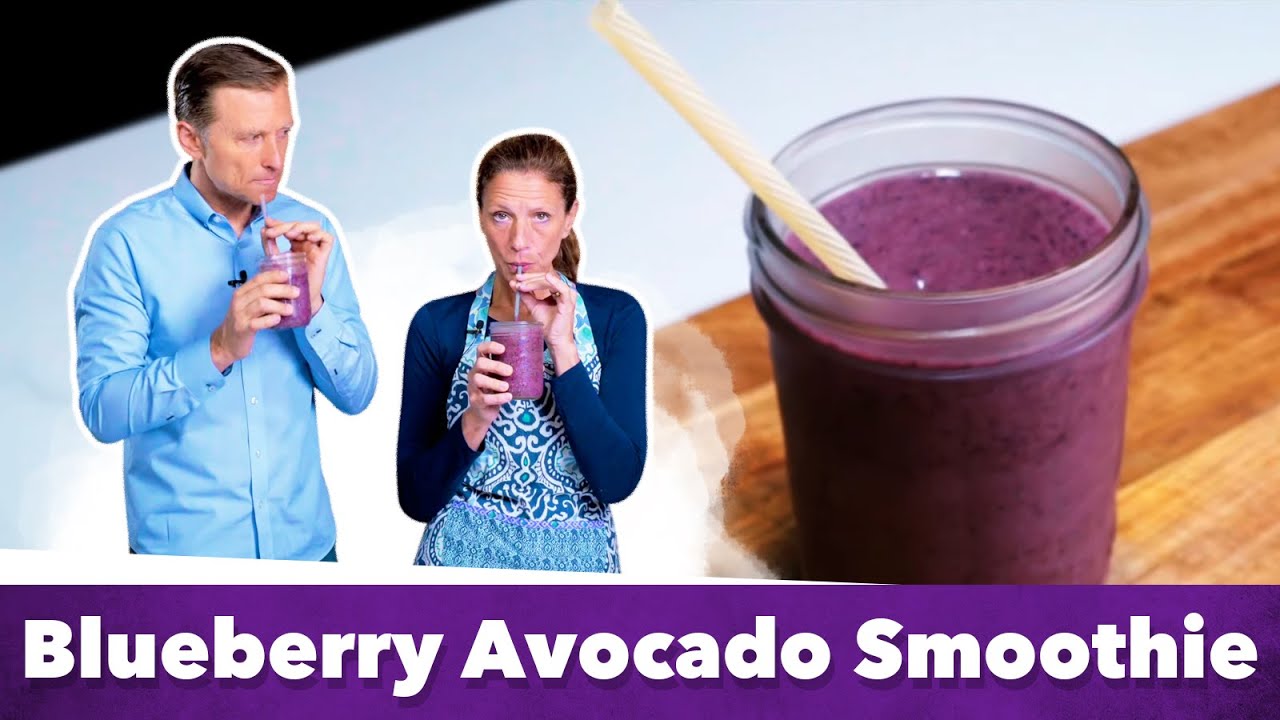
Avocado in a smoothie sounds like a hard sell until you actually taste it. It doesn’t add a vegetable flavor — it adds fat, and fat is exactly what makes a smoothie feel rich instead of thin and icy. That’s the whole idea behind this one, and it’s a good entry point if you’re exploring keto breakfast smoothie recipes for the first time and aren’t sure avocado belongs in a glass.
The combination here is simple: avocado, blueberries, and almond milk. Blended together, the avocado disappears into the background, and what you’re left with is a smooth, purple, faintly sweet smoothie that tastes mostly like blueberries — not like guacamole with fruit in it.
It’s also a useful recipe to know if you’re managing blood sugar or just trying to avoid the mid-morning crash that comes with a low-fat, high-sugar breakfast. The fat from the avocado and almond milk slows down how quickly the natural sugar in the blueberries hits your system, which is a meaningfully different experience than drinking straight fruit juice.
Below is the full recipe, along with the reasoning behind it, common mistakes, nutrition based on the actual ingredients, and a handful of variations if you want to push it further into keto territory or lighten it up.
Why This Recipe Works
When you drink something high in fast-digesting sugar with very little fat or protein to slow it down, your blood sugar and insulin tend to spike quickly, then drop — which is usually what triggers hunger again soon after. Adding fat to the mix, in this case from the avocado and almond milk, buffers that reaction. It doesn’t eliminate the sugar from the blueberries, but it changes how your body processes it.
Avocado is also doing texture work that’s easy to underestimate. It’s what makes this smoothie thick and creamy without needing a banana or added sweetener, both of which would push the carbohydrate count higher. That’s part of why avocado shows up so often in keto smoothie recipes and keto meal replacement smoothies specifically — it delivers keto fat and creamy texture at the same time, without adding much sugar.
Blueberries do carry natural sugar and carbohydrates, so this isn’t a zero-carb recipe. But in this ratio, with the fat from the avocado and almond milk working alongside them, the result is noticeably less sweet and less spiky than a blueberry smoothie made without any fat at all.
Fat isn’t the enemy of a good smoothie — it’s what keeps the sugar from hitting you all at once.
Tips Before You Start
A couple of small details make this smoothie noticeably better, especially if you’re new to blending with avocado.
Use a ripe avocado, not an underripe one. A ripe avocado should give slightly to gentle pressure and blend into a completely smooth texture. An underripe avocado will taste faintly bitter and won’t blend as smoothly, which is usually the reason people say they can “taste” avocado in a smoothie when they actually can’t with a properly ripe one.
Frozen blueberries work just as well as fresh, and they’ll make the smoothie colder and thicker without needing extra ice.
Quick Recipe Information
Ingredients
- 1/2 ripe avocado (adds creamy texture and keto-friendly fat; a slightly overripe avocado works well here since it blends even smoother)
- 1/2 cup blueberries, fresh or frozen (brings natural sweetness, color, and antioxidants; frozen blueberries also thicken and chill the smoothie without extra ice)
- 1 cup unsweetened almond milk (thins the smoothie and adds more healthy fat; swap in unsweetened coconut milk for an even higher-fat, more traditionally keto option)
- 3–4 ice cubes, optional (adds thickness and chill, especially if using fresh rather than frozen blueberries)
- 1–2 drops liquid stevia or a keto-friendly sweetener, optional [VERIFY to taste] (blueberries provide natural sweetness, but add a low-carb sweetener if you prefer it sweeter without added sugar)
Equipment Needed
- Blender (a high-speed blender helps break down the avocado completely, but a standard blender works too)
- Measuring cups
- Spoon for scooping the avocado
Step-by-Step Instructions
- Halve and pit the avocado. Scoop half into the blender with a spoon, leaving the skin behind. Save the other half, tightly wrapped, for another smoothie.
- Add the blueberries. Fresh or frozen both work — frozen will give you a colder, thicker result.
- Pour in the almond milk. Adding the liquid before blending helps the avocado break down evenly instead of sticking to the blade.
- Add ice, if using. Skip this step if you’re using frozen blueberries and prefer a less icy texture.
- Blend until completely smooth. This typically takes 30–45 seconds in a high-speed blender [VERIFY timing for your specific blender]. Check for any small avocado flecks — if you see them, blend for another 10–15 seconds.
- Taste and adjust sweetness. If you’d like it sweeter, add a drop of liquid stevia or your preferred keto sweetener and blend briefly to combine.
- Pour and serve immediately. This smoothie is best enjoyed right after blending, while it’s cold and thick.
Keto Blueberry Avocado Smoothie
A creamy, low-carb blueberry smoothie with hidden avocado fat — smooth, purple, and not overly sweet.
Ingredients
- 1/2 ripe avocado
- 1/2 cup blueberries
- 1 cup unsweetened almond milk
- 3–4 ice cubes (optional)
- Keto sweetener to taste (optional)
Instructions
- Scoop the avocado into the blender.
- Add the blueberries.
- Pour in the almond milk.
- Add ice, if using.
- Blend until completely smooth.
- Taste and adjust sweetness.
- Pour and serve right away.
Chef’s Tips
- Freeze avocado halves ahead of time. If you often have extra avocado, freeze it in portioned halves so it’s ready to blend straight from frozen — no need to thaw first.
- Don’t skip a taste test before serving. Blueberry sweetness varies a lot by season and variety, so taste before adding any extra sweetener.
- Use a ripe, unbruised avocado. An overripe or bruised avocado can add a slightly off flavor that’s more noticeable in a smoothie than in guacamole.
- Blend the liquid and avocado together first. This helps break the avocado down smoothly before adding the blueberries, which reduces the risk of small unblended chunks.
- Adjust thickness with almond milk, not water. Water dilutes the flavor and the fat content; a little extra almond milk keeps both intact while thinning the texture.
Common Mistakes
- Using an underripe avocado
The mistake: the smoothie tastes faintly bitter or doesn’t blend fully smooth.
Why it happens: an underripe avocado is firmer and less flavorful than a properly ripe one.
The fix: choose an avocado that gives slightly to gentle pressure, or let a firm one ripen on the counter for a day or two first.
- Adding too much avocado
The mistake: the smoothie turns heavy and dense instead of light and drinkable.
Why it happens: it’s easy to assume more avocado means more creaminess, but it quickly overwhelms the ratio.
The fix: stick to about half an avocado per serving and adjust from there next time if you want it richer.
- Blending too briefly
The mistake: small green flecks of avocado remain visible in the finished smoothie.
Why it happens: avocado is denser than most smoothie ingredients and needs a bit more blending time.
The fix: blend in short additional bursts until the texture is completely uniform.
- Skipping the sweetener check
The mistake: the smoothie turns out more tart than expected, especially with frozen or early-season blueberries.
Why it happens: blueberry sweetness varies more than most people expect.
The fix: taste before serving and add a drop of liquid stevia or your preferred low-carb sweetener if needed.
- Letting it sit too long before drinking
The mistake: the smoothie turns brownish on top and separates.
Why it happens: avocado oxidizes and browns when exposed to air, the same way it does in guacamole.
The fix: drink it soon after blending, or store it airtight with plastic wrap pressed directly onto the surface if you need to save it briefly.
Recipe Variations
- Vegetarian — This recipe is already vegetarian and vegan as written.
- Gluten-Free — Naturally gluten-free; just double-check any add-ins like protein powder or granola toppings.
- Spicy — Not a natural fit for this particular smoothie’s flavor profile, but a small pinch of cinnamon can add warmth without heat if you want to vary the flavor.
- Dairy-Free — Already dairy-free with almond milk; stays that way as long as you don’t swap in dairy milk.
- Low Carb Green Smoothie — Add a handful of spinach for extra fiber and micronutrients; it blends in nearly invisible against the blueberry color and keeps this in low carb smoothie recipes breakfast territory.
- Kid-Friendly — Use a touch more blueberries and skip any added sweetener adjustments — kids tend to enjoy the naturally sweet, mild flavor as-is.
- Extra Fat Boost — Add a tablespoon of MCT oil or unsweetened coconut cream for an even higher-fat, more classically keto meal replacement smoothie.
Storage & Reheating
Refrigeration: Store in an airtight container with plastic wrap pressed directly onto the surface for up to 12–24 hours. Avocado oxidizes quickly, so expect some browning on top even when stored well — stir or re-blend before drinking.
Freezing: Pour into an ice cube tray and freeze. Blend the frozen cubes with a splash of almond milk for a quick smoothie later.
Reheating: Not applicable — this is served cold. If it separates after storage, a quick stir or short re-blend brings it back together.
Shelf life: Best consumed within a few hours of blending; avocado-based smoothies don’t hold up as well over multiple days as fruit-only smoothies do.
Meal prep tip: Freeze avocado halves and portioned bags of blueberries separately so you can grab and blend without prepping fresh ingredients each morning.
Serving Suggestions
- Topped with keto granola — pour into a bowl and add a sprinkle of keto granola for crunch and texture if you want to eat it with a spoon instead of drinking it.
- Alongside eggs — pair with something savory and protein-rich, like our loaded egg muffins, for a more complete keto breakfast.
- With black coffee — the fat in this smoothie pairs naturally with the bitterness of black coffee, and both fit easily into a keto morning routine.
- As a meal replacement — with roughly 18g of fat per serving, this works reasonably well as one of several keto meal replacement smoothies in a weekly rotation, especially on busy mornings.
- Next to a savory toast — if you’re not strictly keto that day, our feta, tomato, and basil toast makes a nice contrast on the side.
Nutrition Information
Calculated per serving (this recipe makes 1 serving), based on standard USDA-type values for 1/2 medium avocado, 1/2 cup blueberries, and 1 cup unsweetened almond milk. Optional ice and sweetener are not included since they don’t meaningfully affect these numbers.
Net carbs: subtracting fiber from total carbohydrates puts this at roughly 11.5g net carbs per serving — a reasonable number for many keto approaches, but on the higher side if you’re following a strict daily limit. Blueberries are the ingredient driving most of that carbohydrate count; using a smaller portion (a quarter cup instead of a half) will lower it further.
These figures are estimates only and will vary based on avocado size, blueberry variety, and the specific almond milk brand you use. They’re meant as a general guide, not a precise clinical measurement.
Frequently Asked Questions
-
Can I really not taste the avocado in this smoothie?
With a properly ripe avocado, the flavor is very mild and mostly reads as creaminess rather than a distinct “avocado” taste. The blueberry flavor dominates.
-
Is this smoothie actually keto?
It’s lower in net carbs than a typical fruit smoothie, at roughly 11.5g net carbs per serving, but it’s not a zero-carb recipe. Whether it fits your specific keto targets depends on your daily carb limit and what else you’re eating that day.
-
Can I use frozen avocado instead of fresh?
Yes. Frozen avocado blends well and adds extra thickness and chill, similar to how frozen banana works in other smoothies.
-
What can I use instead of almond milk?
Unsweetened coconut milk is a common swap and adds even more fat, which some people prefer for a stronger keto fat profile. Regular dairy milk also works if you’re not avoiding dairy.
-
Why does my smoothie turn brown after sitting?
That’s oxidation from the avocado, the same reaction that turns guacamole brown. It doesn’t mean the smoothie has gone bad — just drink it soon after blending for the best color and flavor.
-
Can kids drink this smoothie?
Generally yes. It’s mild, not overly sweet, and the avocado flavor is well hidden, which tends to make it an easy sell even for picky eaters.
-
How do I lower the carbs even further?
Use a smaller portion of blueberries, since they’re the main source of carbohydrate here, and consider adding spinach or extra avocado to bulk up the volume without adding sugar.
-
Can I add protein powder to make this more filling?
Yes, a scoop of unsweetened or low-carb protein powder works well here. Check the label for added sugars, since some flavored protein powders can push the carb count higher than expected.
-
Is this a good keto meal replacement smoothie?
On its own, it’s more of a light breakfast than a full meal replacement, but adding protein powder or an extra fat source like MCT oil brings it closer to that category.
-
What other fruit could I use besides blueberries?
Raspberries and blackberries are both lower in sugar than blueberries and work well with the same avocado-and-almond-milk base if you want to reduce the carbohydrate count further.
Conclusion
Good keto breakfast smoothie recipes don’t need a long ingredient list — this one proves that with just three main ingredients. The avocado does more work than people expect, giving you fat and creaminess without changing the flavor, while the blueberries keep it tasting like a genuine smoothie rather than something clinical.
It’s a useful one to keep bookmarked, especially if you’re building out a rotation of low carb smoothie recipes breakfast options and want something that doesn’t feel like a compromise.
If you want more options to rotate through, our magic bullet breakfast smoothie recipes and protein breakfast shake recipe are both worth trying next.
Watch How It’s Made
Keto Breakfast Smoothie Recipes with a fat you can’t even taste
Ingredients
- 1/2 ripe avocado (adds creamy texture and keto-friendly fat; a slightly overripe avocado works well here since it blends even smoother)
- 1/2 cup blueberries, fresh or frozen (brings natural sweetness, color, and antioxidants; frozen blueberries also thicken and chill the smoothie without extra ice)
- 1 cup unsweetened almond milk (thins the smoothie and adds more healthy fat; swap in unsweetened coconut milk for an even higher-fat, more traditionally keto option)
- 3 –4 ice cubes, optional (adds thickness and chill, especially if using fresh rather than frozen blueberries)
- 1 –2 drops liquid stevia or a keto-friendly sweetener, optional [VERIFY to taste] (blueberries provide natural sweetness, but add a low-carb sweetener if you prefer it sweeter without added sugar)
Instructions
- 1/2 ripe avocado (adds creamy texture and keto-friendly fat; a slightly overripe avocado works well here since it blends even smoother)
- 1/2 cup blueberries, fresh or frozen (brings natural sweetness, color, and antioxidants; frozen blueberries also thicken and chill the smoothie without extra ice)
- 1 cup unsweetened almond milk (thins the smoothie and adds more healthy fat; swap in unsweetened coconut milk for an even higher-fat, more traditionally keto option)
- 3–4 ice cubes, optional (adds thickness and chill, especially if using fresh rather than frozen blueberries)
- 1–2 drops liquid stevia or a keto-friendly sweetener, optional [VERIFY to taste] (blueberries provide natural sweetness, but add a low-carb sweetener if you prefer it sweeter without added sugar)