
Keto Breakfast Shake Smoothie Recipes chocolate, thick, and low carb
A rich chocolate protein shake made with cream, cocoa, and a keto sweetener — no banana, no added sugar.
 August 19, 2026
9 min read
August 19, 2026
9 min read
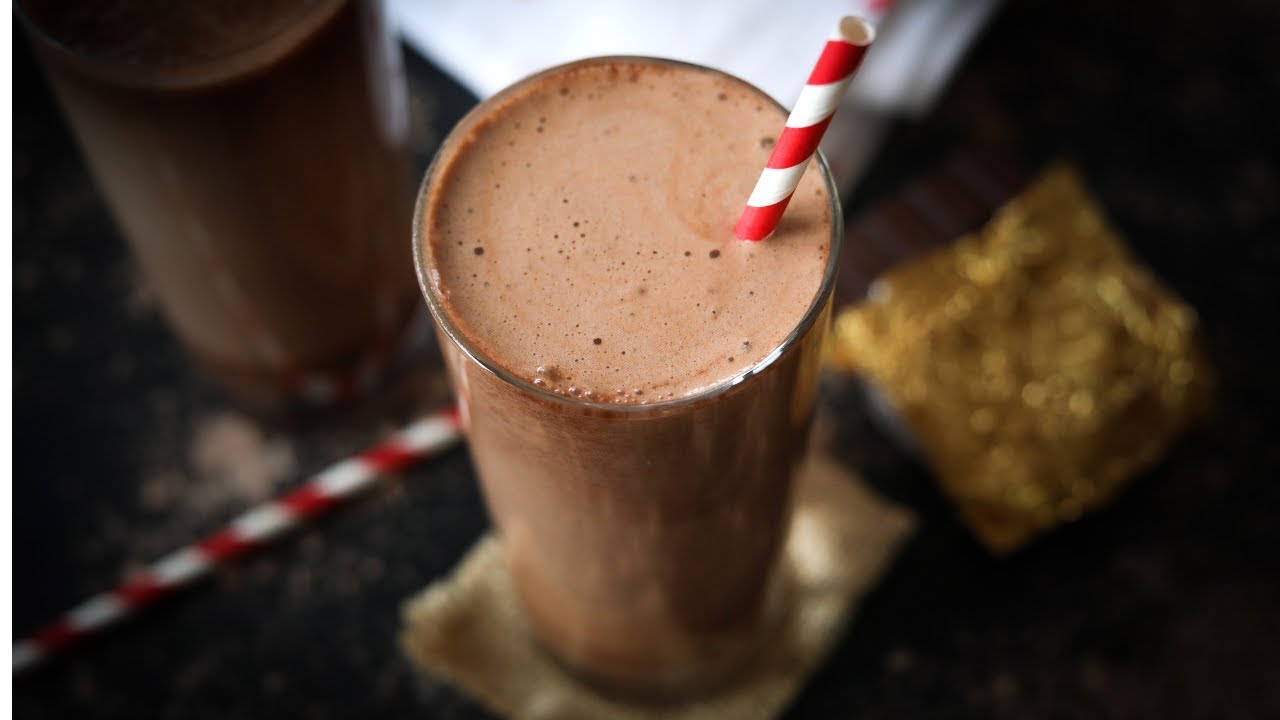
Most low-carb breakfasts skew savory — eggs, bacon, that sort of thing. This one doesn’t. It’s a thick, rich, genuinely chocolatey shake that happens to fit into a low carb breakfast without any of the usual sugar or fruit base most smoothies rely on. If you’ve tried a few keto breakfast shake smoothie recipes already and found them thin or bland, this one is built specifically to avoid both problems.
The texture comes from heavy cream and a small amount of Greek yogurt rather than banana or oats, and the sweetness comes from a keto-friendly sweetener instead of sugar or honey. The result tastes closer to a chocolate milkshake than a typical “healthy” smoothie, while staying low in net carbs.
It’s a good one to reach for on mornings when you want something that feels a little indulgent but still fits a keto breakfast — no fruit, no oats, and a fat and protein combination that’s meant to keep you satisfied rather than hungry an hour later.
Below is the full recipe, the reasoning behind each ingredient, common mistakes people run into with a shake this rich, nutrition based on the actual quantities used, and a few variations worth trying.
Why This Recipe Works
Most smoothies get their thickness from frozen fruit. This one gets it from fat — specifically, heavy whipping cream and a small amount of full-fat Greek yogurt. Both add richness and body without the carbohydrates that banana or other frozen fruit would bring, which is the main reason this shake reads as “creamy” rather than “icy” even without any fruit in it.
Cocoa powder and a small amount of protein powder do double duty here: they add chocolate flavor, but they’re also part of what thickens the shake and rounds out the protein content. A pinch of salt isn’t there for saltiness — it’s there to sharpen the chocolate flavor, the same trick used in chocolate desserts and baked goods.
The sweetener matters too. A confectioners-style erythritol sweetener (the kind sold as a fine, powdered blend) dissolves more evenly into a cold shake than granulated versions, which can leave a slightly gritty texture if they don’t fully break down. Because it’s a sugar alcohol rather than table sugar, it adds sweetness without the same blood sugar impact, which is part of why this fits into keto smoothie recipes despite tasting genuinely sweet.
A shake doesn’t need fruit to be thick — it just needs the right kind of fat.
Tips Before You Start
A few details make a real difference in how this shake turns out, especially since it’s built around fat and protein rather than fruit.
Use a kitchen scale if you have one. Several of these ingredients are measured in small amounts — grams of cocoa powder, protein powder, and sweetener — and weighing them gives you a more consistent result than eyeballing spoonfuls, especially for the protein powder and sweetener.
Use plenty of ice. This shake relies on ice for volume and cold thickness, since there’s no frozen fruit doing that work. Don’t skimp here, or the shake will taste more like flavored cream than a proper shake.
Quick Recipe Information
Ingredients
- 2 oz unsweetened vanilla almond milk (thins the shake and adds a hint of vanilla flavor; swap in any unsweetened milk you prefer)
- 2 oz heavy whipping cream (adds fat and the shake’s signature creaminess; this is what replaces the body fruit would normally provide)
- 1 tablespoon (5g) unsweetened cocoa powder (the main source of chocolate flavor; look for 100% unsweetened cocoa, not a sweetened cocoa mix)
- 1/2 scoop (about 15g) chocolate protein powder [VERIFY] (adds protein, extra chocolate flavor, and creaminess; a whey-based powder blends smoothly, though plant-based works too — nutrition varies noticeably by brand)
- 1 tablespoon (12g) confectioners-style erythritol sweetener (a keto-friendly sweetener that dissolves smoothly into cold liquid; adjust up or down to taste)
- 1 1/2 tablespoons (21g) full-fat Greek yogurt (adds extra creaminess and a bit of tang that balances the sweetness)
- A pinch of salt (sharpens and deepens the chocolate flavor rather than making the shake taste salty)
- 1 1/2 cups ice (builds the shake’s thick, cold texture — this recipe relies on ice instead of frozen fruit)
Equipment Needed
- Blender (a high-speed blender crushes the ice most smoothly, but a standard blender will work with a little extra blending time)
- Kitchen scale (recommended for accuracy with the smaller ingredient amounts)
- Measuring spoons
Step-by-Step Instructions
- Add the almond milk and heavy cream to the blender. Starting with both liquids gives the blade something to work with right away.
- Add the cocoa powder and protein powder. Adding these on top of the liquid, rather than the ice, helps them incorporate without clumping.
- Add the sweetener, Greek yogurt, and salt. The Greek yogurt is thick, so make sure it’s added near the liquid layer rather than buried under the ice.
- Add the ice last. Since there’s no frozen fruit in this recipe, the ice is what gives the shake its final volume and cold, thick texture.
- Blend until thick and completely smooth. This usually takes 30–45 seconds in a high-speed blender [VERIFY timing for your specific blender]. You’re looking for no visible ice chunks and a uniform, rich chocolate color throughout.
- Check the consistency. If it’s too thick to blend evenly, add a small splash more almond milk and blend again briefly. If it’s too thin, add a few more ice cubes.
- Pour into a glass, or drink straight from the blender. Serve immediately for the best texture and temperature.
Keto Chocolate Breakfast Shake
A thick, rich chocolate protein shake made with cream and cocoa instead of fruit — low in net carbs, high in flavor.
Ingredients
- 2 oz unsweetened vanilla almond milk
- 2 oz heavy whipping cream
- 1 tbsp (5g) unsweetened cocoa powder
- 1/2 scoop (15g) chocolate protein powder [VERIFY]
- 1 tbsp (12g) erythritol sweetener
- 1 1/2 tbsp (21g) full-fat Greek yogurt
- Pinch of salt
- 1 1/2 cups ice
Instructions
- Add almond milk and heavy cream to the blender.
- Add cocoa powder and protein powder.
- Add sweetener, Greek yogurt, and salt.
- Add ice last.
- Blend until thick and completely smooth.
- Adjust consistency as needed.
- Pour and serve immediately.
Chef’s Tips
- Weigh the cocoa powder and protein powder if you can. Small ingredients like these vary a lot by volume depending on how packed the spoon is, so a scale gives a more consistent result.
- Start with less sweetener and adjust up. It’s easy to add more; it’s harder to fix an overly sweet shake.
- Use a confectioners-style sweetener, not granulated. The finer texture dissolves more evenly in a cold shake and avoids a slightly gritty finish.
- Don’t skip the salt. It’s a small amount, but it noticeably sharpens the chocolate flavor rather than making the shake taste salty.
- Keep the protein powder to a half scoop unless you’re using a mild-flavored brand. A full scoop can make the shake overly sweet or artificial-tasting, depending on the product.
Common Mistakes
- Using granulated sweetener instead of a confectioners-style one
The mistake: the shake has a slightly gritty or undissolved texture.
Why it happens: granulated erythritol-based sweeteners don’t dissolve as completely in cold liquid as the finer, powdered versions.
The fix: use a confectioners-style or powdered version, or blend for a bit longer to help it dissolve.
- Skipping the scale and eyeballing small amounts
The mistake: the shake turns out too sweet, too chocolatey, or oddly thin.
Why it happens: cocoa powder, protein powder, and sweetener are all measured in small amounts where a rounded versus level spoon makes a real difference.
The fix: use a kitchen scale for these ingredients if you have one, especially the first few times you make this.
- Not using enough ice
The mistake: the shake comes out closer to flavored cream than a thick shake.
Why it happens: without frozen fruit, ice is the only thing providing volume and cold thickness.
The fix: stick to the full 1 1/2 cups of ice, and add more if you prefer an even thicker texture.
- Using a full scoop of protein powder instead of half
The mistake: the shake tastes overly sweet or artificial.
Why it happens: many chocolate protein powders are already quite sweet on their own, and doubling the amount doubles that sweetness.
The fix: start with half a scoop as written, taste, and only add more if your specific brand is mild.
- Forgetting the pinch of salt
The mistake: the chocolate flavor tastes slightly flat compared to what’s expected.
Why it happens: salt is easy to skip since it seems like a minor ingredient in a sweet recipe.
The fix: don’t leave it out — a small pinch makes a noticeable difference in how rich the chocolate tastes.
Recipe Variations
- Vegetarian — This recipe is vegetarian as written; just confirm your protein powder doesn’t include gelatin-based collagen if that matters to you.
- Gluten-Free — Naturally gluten-free; double-check your protein powder’s label, since some blends include oat-based fillers.
- Spicy — Add a small pinch of cayenne alongside the cocoa powder for a Mexican hot chocolate-style variation.
- Dairy-Free — Swap the heavy cream for full-fat coconut cream and use a dairy-free or coconut yogurt instead of Greek yogurt to keep the same richness without dairy.
- Low Carb — This recipe is already built for low carb breakfast needs; for an even lower count, reduce the sweetener slightly and skip the Greek yogurt, which will make it a bit less creamy but slightly lower in carbs.
- Kid-Friendly — Reduce or skip the protein powder and use a milder sweetener amount, since kids may find a full-strength keto sweetener taste unfamiliar at first.
- Mocha Version — Add a shot of espresso or a teaspoon of instant coffee for a chocolate-coffee flavor combination, turning this into more of a keto protein smoothie with a caffeine boost.
Storage & Reheating
Refrigeration: This shake is best enjoyed fresh, but leftovers can be stored in an airtight container in the fridge for up to 12 hours. Expect the texture to loosen as the ice melts.
Freezing: Pour leftovers into an ice cube tray and freeze. Blend the frozen cubes with a small splash of almond milk or cream for a quick second shake.
Reheating: Not applicable — this is meant to be served cold.
Shelf life: Best within a few hours of blending, since the texture relies heavily on ice that will continue to melt over time.
Meal prep tip: Pre-measure the cocoa powder, protein powder, sweetener, and salt into small containers so you can dump and blend quickly on busy mornings.
Serving Suggestions
- Alongside eggs — pair with something savory, like our loaded egg muffins, if you want a more complete keto breakfast.
- Topped with whipped cream — an extra dollop of unsweetened whipped cream makes this feel more like a treat without adding meaningful carbs.
- With black coffee on the side — the bitterness of black coffee balances the richness of the chocolate shake nicely.
- As a post-workout shake — with a solid protein and fat combination, this also works as a keto protein smoothie after a workout, not just at breakfast.
- Next to a savory option — if you want variety on your plate, our feta, tomato, and basil toast is a good non-keto contrast if you’re serving a mixed table.
Nutrition Information
Calculated per serving (this recipe makes 1 serving), based on standard USDA-type values for 2 oz unsweetened almond milk, 2 oz heavy whipping cream, 5g unsweetened cocoa powder, 15g chocolate protein powder, 12g confectioners-style erythritol, 21g full-fat Greek yogurt, and a pinch of salt.
Net carbs: of the roughly 19g total carbohydrate, about 12g comes from the erythritol sweetener, which is a sugar alcohol that doesn’t typically raise blood sugar the way regular sugar does and is usually excluded from net carb counts. Subtracting that and the fiber puts this shake at roughly 4.5–5g net carbs per serving — a genuinely low number. The biggest source of variation is the protein powder: brands differ widely in carbs, sugar, and sodium, so check your specific product’s label for a more precise number.
These figures are estimates only and will vary based on the specific brands of protein powder, sweetener, and dairy products you use. They’re meant as a general guide, not a precise clinical measurement.
Frequently Asked Questions
-
Can I make this without protein powder?
Yes, though it will be lower in protein. You can increase the Greek yogurt slightly to compensate for some of the lost creaminess and protein.
-
Why heavy cream instead of just more almond milk?
Heavy cream is what gives this shake its thick, rich texture without needing banana or oats. Almond milk alone would make it thinner and less satisfying.
-
Can I use a different keto sweetener?
Yes, most erythritol or monk fruit-based sweeteners work. Confectioners or powdered versions dissolve more smoothly than granulated ones in a cold shake.
-
Is this shake actually low carb?
Yes — most of the total carbohydrate count comes from the sugar alcohol in the sweetener, which isn’t typically counted toward net carbs. The net carb total lands around 4.5 to 5 grams per serving.
-
Can I make this dairy-free?
Yes. Swap the heavy cream for full-fat coconut cream and use a dairy-free yogurt instead of Greek yogurt.
-
Why is my shake too thin?
Usually it’s not enough ice. Since this recipe relies on ice instead of frozen fruit for thickness, adding a few extra cubes is the easiest fix.
-
Can I double the recipe?
Yes, just double every ingredient. Depending on your blender’s capacity, you may need to blend in two batches.
-
Does the type of cocoa powder matter?
Use unsweetened cocoa powder, not a sweetened cocoa or hot chocolate mix, since those typically contain added sugar that would change the carb count significantly.
-
Is this a good keto protein smoothie for post-workout recovery?
With roughly 16g of protein and a good fat content, it works reasonably well post-workout too, not just at breakfast.
-
Why does my shake taste bitter?
This is usually from using too much unsweetened cocoa powder relative to sweetener, or a very dark cocoa powder. Taste as you go and adjust the sweetener to balance it.
Conclusion
Chocolate and keto don’t always go together easily, but this shake manages it by leaning on fat and protein instead of sugar for its richness. Among keto breakfast shake smoothie recipes, this one stands out for actually tasting indulgent while staying low in net carbs.
Once you’ve made it a couple of times, adjusting the sweetness and thickness to your taste becomes second nature. It’s worth bookmarking for mornings when a low carb breakfast still needs to feel like a treat.
If you’d like to keep building out your rotation, our blueberry avocado keto smoothie and banana oatmeal protein shake are both good next options to try.
Watch How It’s Made
Keto Breakfast Shake Smoothie Recipes
Ingredients
- 2 oz unsweetened vanilla almond milk (thins the shake and adds a hint of vanilla flavor; swap in any unsweetened milk you prefer)
- 2 oz heavy whipping cream (adds fat and the shake's signature creaminess; this is what replaces the body fruit would normally provide)
- 1 tablespoon (5g) unsweetened cocoa powder (the main source of chocolate flavor; look for 100% unsweetened cocoa, not a sweetened cocoa mix)
- 1/2 scoop (about 15g) chocolate protein powder [VERIFY] (adds protein, extra chocolate flavor, and creaminess; a whey-based powder blends smoothly, though plant-based works too — nutrition varies noticeably by brand)
- 1 tablespoon (12g) confectioners-style erythritol sweetener (a keto-friendly sweetener that dissolves smoothly into cold liquid; adjust up or down to taste)
- 1 1/2 tablespoons (21g) full-fat Greek yogurt (adds extra creaminess and a bit of tang that balances the sweetness)
- A pinch of salt (sharpens and deepens the chocolate flavor rather than making the shake taste salty)
- 1 1/2 cups ice (builds the shake's thick, cold texture — this recipe relies on ice instead of frozen fruit)
Instructions
- 2 oz unsweetened vanilla almond milk (thins the shake and adds a hint of vanilla flavor; swap in any unsweetened milk you prefer)
- 2 oz heavy whipping cream (adds fat and the shake's signature creaminess; this is what replaces the body fruit would normally provide)
- 1 tablespoon (5g) unsweetened cocoa powder (the main source of chocolate flavor; look for 100% unsweetened cocoa, not a sweetened cocoa mix)
- 1/2 scoop (about 15g) chocolate protein powder [VERIFY] (adds protein, extra chocolate flavor, and creaminess; a whey-based powder blends smoothly, though plant-based works too — nutrition varies noticeably by brand)
- 1 tablespoon (12g) confectioners-style erythritol sweetener (a keto-friendly sweetener that dissolves smoothly into cold liquid; adjust up or down to taste)
- 1 1/2 tablespoons (21g) full-fat Greek yogurt (adds extra creaminess and a bit of tang that balances the sweetness)
- A pinch of salt (sharpens and deepens the chocolate flavor rather than making the shake taste salty)
- 1 1/2 cups ice (builds the shake's thick, cold texture — this recipe relies on ice instead of frozen fruit)