Magic Bullet Breakfast Smoothie Recipes for busy, better mornings
One small blender, five minutes, and a breakfast that actually holds you until lunch.
 August 18, 2026
9 min read
August 18, 2026
9 min read
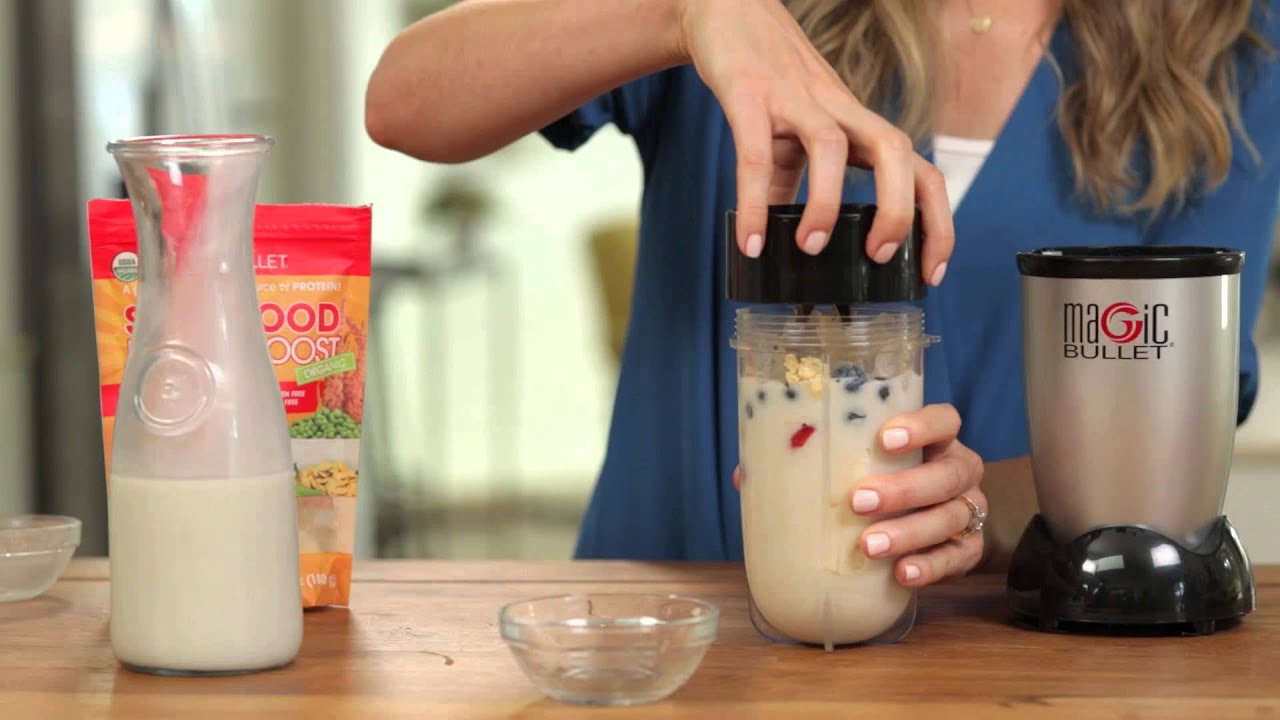
If your mornings are more “grab something on the way out the door” than “sit-down breakfast,” a small personal blender solves a real problem. These magic bullet breakfast smoothie recipes are built around that reality: minimal cleanup, one cup that doubles as your travel mug, and a blend that gives you fruit, fiber, and protein before you’ve even left the kitchen.
The appeal isn’t complicated. A Magic Bullet (or any similar bullet-style blender) is small, fast, and doesn’t demand much from you technique-wise. You load the cup, twist on the blade, lock it onto the base, and pulse. There’s no pitcher to wash, no lid to hunt for, and no fifteen-minute production before 7 a.m.
This particular combination — banana, strawberries, blueberries, a scoop of protein powder, and almond milk — is a natural starting point because it hits the basics well: enough sweetness from the fruit that you’re not adding sugar, enough protein to slow down the sugar hit, and a texture that stays smooth in a small blade blender instead of turning chunky.
Below you’ll find the full recipe, the reasoning behind each ingredient, common mistakes people make with bullet blenders specifically, and enough variations to keep this in weekly rotation without getting bored of it.
Why This Recipe Works
Bullet blenders like the Magic Bullet use a small, fast-spinning blade in a narrow cup, which is different from a full-size blender’s wider, slower vortex. That narrow shape is actually an advantage for a single-serving smoothie: the ingredients have less room to spread out, so the blade keeps pulling everything back through it. That’s why the loading order matters more here than in a big blender — liquid and softer ingredients need to be positioned so the blade can reach them first.
Frozen or icy ingredients also do more work in a bullet blender than people expect. Ice and cold banana add body and a milkshake-like thickness without diluting the flavor the way extra liquid would. It’s the same principle behind why smoothie shops keep bananas in the freezer — cold fruit blends into a creamy texture, while room-temperature fruit tends to blend thin and separate faster once poured.
Protein powder is the other piece worth understanding. Fruit alone gives you fast-digesting natural sugars, which is fine, but it means you’ll likely be hungry again within an hour or two. Adding protein slows gastric emptying slightly and gives your body something to work with beyond quick sugar, which is the difference between a smoothie that’s a snack and one that’s an actual breakfast.
A smoothie that fills you up isn’t about more fruit — it’s about balancing what you blend.
Tips Before You Start
A few small habits make a noticeable difference in how well a bullet blender handles a breakfast smoothie, especially since the cup is smaller and less forgiving than a standard blender pitcher.
First, always add liquid before solids. The almond milk should go in before the fruit, ice, and protein powder — not after. This keeps the blade from spinning uselessly against dry or frozen ingredients stacked on top of it, which is the single most common reason people end up with an unblended clump at the bottom.
Second, don’t overfill the cup. Bullet blender cups have a fill line for a reason — past that line, the ingredients can’t circulate, and you risk the lid popping or leaking during blending.
Quick Recipe Information
Ingredients
- 1 ripe banana (adds natural sweetness and creaminess; freeze it ahead for a thicker, colder smoothie)
- 1/2 cup strawberries, fresh or frozen (brings brightness and color; blackberries work as a substitute)
- 1/2 cup blueberries, fresh or frozen (adds fiber and a mild tartness that balances the banana’s sweetness)
- 1 cup ice (builds thickness and a cold, milkshake-like texture without watering down the flavor)
- 1 scoop superfood protein boost / protein powder [VERIFY] (adds protein to make this filling enough for breakfast; vanilla or unflavored both work — exact scoop size and nutrition depend on the brand you use)
- 1 cup almond milk, unsweetened (thins the smoothie to drinkable consistency; swap in oat milk, regular dairy milk, or coconut milk if you prefer)
Equipment Needed
- Magic Bullet or similar bullet-style personal blender
- Cross blade attachment
- Measuring cup
- Cutting board and knife (for slicing the banana and hulling strawberries)
Step-by-Step Instructions
- Add the almond milk first. Pour it into the Magic Bullet cup before anything else. Starting with liquid gives the blade something to grab immediately instead of chewing through dry or frozen ingredients on its own.
- Layer in the fruit. Add the sliced banana, strawberries, and blueberries. Keep everything below the cup’s maximum fill line so there’s room for the ingredients to circulate.
- Add the ice and protein powder. These go in last, on top of the fruit. The scoop of protein powder should sit near the liquid layer rather than fully on top of the ice, so it incorporates smoothly instead of clumping.
- Attach the cross blade using the lock-on technique. Screw the blade onto the cup, then flip it and lock it onto the motor base until it clicks into place. This is the step most people rush — make sure it’s seated properly before blending.
- Blend until smooth. Pulse in short bursts of 15–20 seconds, checking in between. Two to three rounds is usually enough [VERIFY exact timing for your specific model, as blender wattage varies]. You’re looking for a uniform, no-lumps texture with no visible ice chunks.
- Check the consistency. If it’s too thick to sip easily, add a splash more almond milk and pulse again for a few seconds. If it’s too thin, add a few extra ice cubes.
- Unlock, pour or drink straight from the cup. One of the advantages of a bullet blender is that the cup itself often works as a to-go container — twist on a flip-top lid if yours came with one.
Magic Bullet Breakfast Smoothie
A banana-berry protein smoothie built for a small blade blender — smooth, filling, and ready in about five minutes.
Ingredients
- 1 ripe banana
- 1/2 cup strawberries
- 1/2 cup blueberries
- 1 cup ice
- 1 scoop protein powder [VERIFY]
- 1 cup unsweetened almond milk
Instructions
- Add almond milk to the cup first.
- Layer in banana, strawberries, and blueberries.
- Top with ice and protein powder.
- Attach the cross blade and lock onto the base.
- Pulse in 15–20 second bursts until smooth.
- Adjust thickness with milk or ice as needed.
- Unlock, pour, and serve.
Chef’s Tips
- Freeze your banana in advance. Peel it, break it into chunks, and freeze in a bag. Frozen banana blends into a thicker, colder texture than fresh, which matters more in a small bullet cup than in a full-size blender.
- Pulse instead of running continuously. Short bursts let the ingredients fall back toward the blade between blends, which is more effective in a narrow cup than one long spin.
- Don’t skip the liquid-first order. This is the single easiest fix for a smoothie that won’t blend evenly in a Magic Bullet.
- Taste before adding sweetener. Ripe banana and berries are usually sweet enough on their own — taste first rather than assuming you need honey or syrup.
- Keep a stash of pre-portioned smoothie bags in the freezer. Bag the fruit (minus liquid and protein powder) ahead of time so mornings are just dump-and-blend.
Common Mistakes
- Adding ingredients in the wrong order
The mistake: dumping fruit and ice in before the liquid.
Why it happens: it feels more intuitive to add liquid last, the way you’d finish a drink.
The fix: always pour almond milk (or your chosen liquid) in first so the blade has something to circulate immediately.
- Overfilling the cup
The mistake: packing the cup past the fill line to make a bigger batch.
Why it happens: people want fewer refills or a bigger single serving.
The fix: blend in two batches instead, or size down the ice and fruit slightly to stay within the marked line.
- Not locking the blade properly
The mistake: the cup isn’t fully twisted or locked onto the base before blending.
Why it happens: rushing through the “lock-on technique” in a hurry.
The fix: twist until you feel it click into place, and give it a light tug to confirm it’s secure before pressing down to blend.
- Using all fresh, room-temperature fruit
The mistake: the smoothie comes out thin and separates quickly.
Why it happens: no frozen fruit or ice was used to add body.
The fix: keep at least the banana frozen, or add extra ice to compensate.
- Clumped protein powder
The mistake: a chalky pocket of powder at the bottom of the cup after blending.
Why it happens: powder was added on top of the ice, away from the liquid.
The fix: add protein powder closer to the liquid layer, or give the cup one extra short pulse at the end.
Recipe Variations
- Vegetarian — This recipe is already vegetarian as written; just confirm your protein powder is vegetarian-friendly, since some use gelatin-derived ingredients.
- Gluten-Free — Naturally gluten-free. Double-check your protein powder label, since some blends include oat-based fillers.
- Spicy — Add a small pinch of cayenne or a thin slice of fresh ginger for warmth and a slight kick against the sweetness of the berries.
- Dairy-Free — Already dairy-free with almond milk; keep it that way by choosing a plant-based protein powder instead of a whey-based one.
- Low Carb — Swap the banana for extra ice and a small amount of avocado for creaminess, and use a low-carb or unsweetened plant milk to cut the carbohydrate count significantly.
- Kid-Friendly — Skip the protein powder (or use a mild vanilla one) and add a spoonful of nut-free sunflower seed butter for extra staying power without an intense flavor.
- Green Boost — Add a handful of fresh spinach. It blends in nearly invisible against the berries and doesn’t change the flavor much, which makes it an easy way to work greens into breakfast.
Storage & Reheating
Refrigeration: Store any leftover smoothie in an airtight jar or bottle in the fridge for up to 24 hours. Expect some separation — give it a good shake or a quick re-blend before drinking.
Freezing: Pour the finished smoothie into an ice cube tray and freeze. Blend the frozen cubes with a splash of milk for a quick smoothie later, or let them melt in the fridge overnight.
Reheating: This isn’t a recipe you reheat — it’s meant to be served cold. If it separates in the fridge, a short re-blend or a vigorous shake brings it back together.
Shelf life: Best within 24 hours of blending; the texture and flavor noticeably decline after that as the fruit continues to break down.
Meal prep tip: Pre-portion the fruit (without liquid or protein powder) into freezer bags labeled by serving. On busy mornings, dump a bag straight into the cup, add liquid and protein powder, and blend — no chopping required.
Serving Suggestions
- Alongside egg muffins — the smoothie’s fruit and light protein pair well with something more savory and egg-based if you want a heartier breakfast. Our loaded egg muffins are built for the same grab-and-go mornings.
- With a slice of toast — something like the feta, tomato, and basil toast adds a savory contrast to the sweet smoothie.
- Topped with granola — pour into a bowl instead of drinking from the cup, and add a sprinkle of granola or chia seeds for texture and extra staying power.
- Paired with black coffee — the bitterness of coffee balances the sweetness of the fruit nicely, and it’s a common pairing for exactly this kind of quick breakfast.
- As part of a freezer-stocked breakfast rotation — if smoothies are one piece of your morning routine, see our freezer breakfast meals for other make-ahead options that pair well on busy weeks.
Nutrition Information
Calculated per serving (recipe makes 2 servings), based on standard USDA-type values for a medium banana, 1/2 cup strawberries, 1/2 cup blueberries, 1 cup unsweetened almond milk, and 1 scoop (about 30g) of a typical vanilla whey-style protein powder.
Where this varies most: the protein powder is the biggest wild card here. “Superfood protein boost” style products range widely — anywhere from around 10g to 25g of protein per scoop, with calories, sugar, and sodium shifting accordingly depending on the brand and formula. If you know your exact product, swap in its label values for a more accurate number.
These figures are estimates only and will vary based on the specific brands, ripeness of fruit, and substitutions you use. They’re meant as a general guide, not a precise clinical measurement.
Frequently Asked Questions
-
Can I use frozen fruit instead of fresh?
Yes, and it often works better in a bullet blender. Frozen fruit adds thickness without needing as much ice, which keeps the flavor more concentrated.
-
Do I need protein powder to make this a real breakfast?
Not strictly, but it helps. Without it, the smoothie is mostly fast-digesting fruit sugar, which tends to leave you hungry again sooner. A scoop of protein powder, Greek yogurt, or nut butter helps it hold you over longer.
-
What’s the difference between a Magic Bullet and a NutriBullet for smoothies?
They’re both bullet-style personal blenders from the same parent brand, and the basic technique is the same: liquid first, blade locked on, pulse until smooth. NutriBullet models generally run at higher wattage, so blend times may be shorter [VERIFY against your specific model’s manual].
-
Why did my smoothie come out chunky instead of smooth?
Usually it’s the ingredient order — dry or frozen ingredients on top of the blade with no liquid to help them circulate. Adding the almond milk first almost always fixes this.
-
Can I make this without a blender attachment at all, just pulsing?
You need the cross blade attached — that’s the actual blending mechanism. The “pulse” refers to how you press and release the cup against the base, not a separate setting.
-
Is almond milk necessary, or can I use water?
Water works if you’re avoiding dairy alternatives or added ingredients, but it will taste thinner and less creamy. Almond milk, oat milk, or regular milk all add more body and flavor.
-
How can I make this smoothie thicker, like a bowl consistency?
Use less liquid, more frozen fruit, and add a spoonful of Greek yogurt or nut butter. Pour it into a bowl instead of drinking it and top with granola.
-
Can I prep smoothie bags ahead of time for the whole week?
Yes. Portion the banana and berries into individual freezer bags without the liquid or protein powder, then just add those two on blending day.
-
Is this recipe kid-friendly?
Generally yes. If you’re serving it to kids, consider skipping or reducing the protein powder and using a milder milk, since some protein powders have a strong flavor kids may not like.
-
Why does my Magic Bullet leak during blending?
This is almost always an overfilled cup or a blade that isn’t fully locked onto the base. Check the fill line and make sure you hear/feel the lock click before blending.
Conclusion
Magic bullet breakfast smoothie recipes work because they remove the friction from an already busy part of the day. This banana-berry version is a solid default: it’s balanced, it doesn’t require exact measuring, and it adapts easily if you want it thicker, lower in carbs, or dairy-free.
Once you’ve got the basic order down — liquid, fruit, ice and protein, lock, blend — you can swap in whatever fruit or add-ins you have on hand and get a reliably smooth result every time.
If this becomes part of your regular breakfast rotation, it’s worth bookmarking so you’re not searching for it again on a groggy morning.
Watch How It’s Made
Magic Bullet Breakfast Smoothie Recipes
Ingredients
- 1 ripe banana (adds natural sweetness and creaminess; freeze it ahead for a thicker, colder smoothie)
- 1/2 cup strawberries, fresh or frozen (brings brightness and color; blackberries work as a substitute)
- 1/2 cup blueberries, fresh or frozen (adds fiber and a mild tartness that balances the banana's sweetness)
- 1 cup ice (builds thickness and a cold, milkshake-like texture without watering down the flavor)
- 1 scoop superfood protein boost / protein powder [VERIFY] (adds protein to make this filling enough for breakfast; vanilla or unflavored both work — exact scoop size and nutrition depend on the brand you use)
- 1 cup almond milk, unsweetened (thins the smoothie to drinkable consistency; swap in oat milk, regular dairy milk, or coconut milk if you prefer)
Instructions
- 1 ripe banana (adds natural sweetness and creaminess; freeze it ahead for a thicker, colder smoothie)
- 1/2 cup strawberries, fresh or frozen (brings brightness and color; blackberries work as a substitute)
- 1/2 cup blueberries, fresh or frozen (adds fiber and a mild tartness that balances the banana's sweetness)
- 1 cup ice (builds thickness and a cold, milkshake-like texture without watering down the flavor)
- 1 scoop superfood protein boost / protein powder [VERIFY] (adds protein to make this filling enough for breakfast; vanilla or unflavored both work — exact scoop size and nutrition depend on the brand you use)
- 1 cup almond milk, unsweetened (thins the smoothie to drinkable consistency; swap in oat milk, regular dairy milk, or coconut milk if you prefer)