Vegan Breakfast Smoothie Recipes that actually hold you over
A strawberry banana peanut butter smoothie built with oats, chia, and spinach — protein and fiber included, no dairy required.
 August 19, 2026
10 min read
August 19, 2026
10 min read
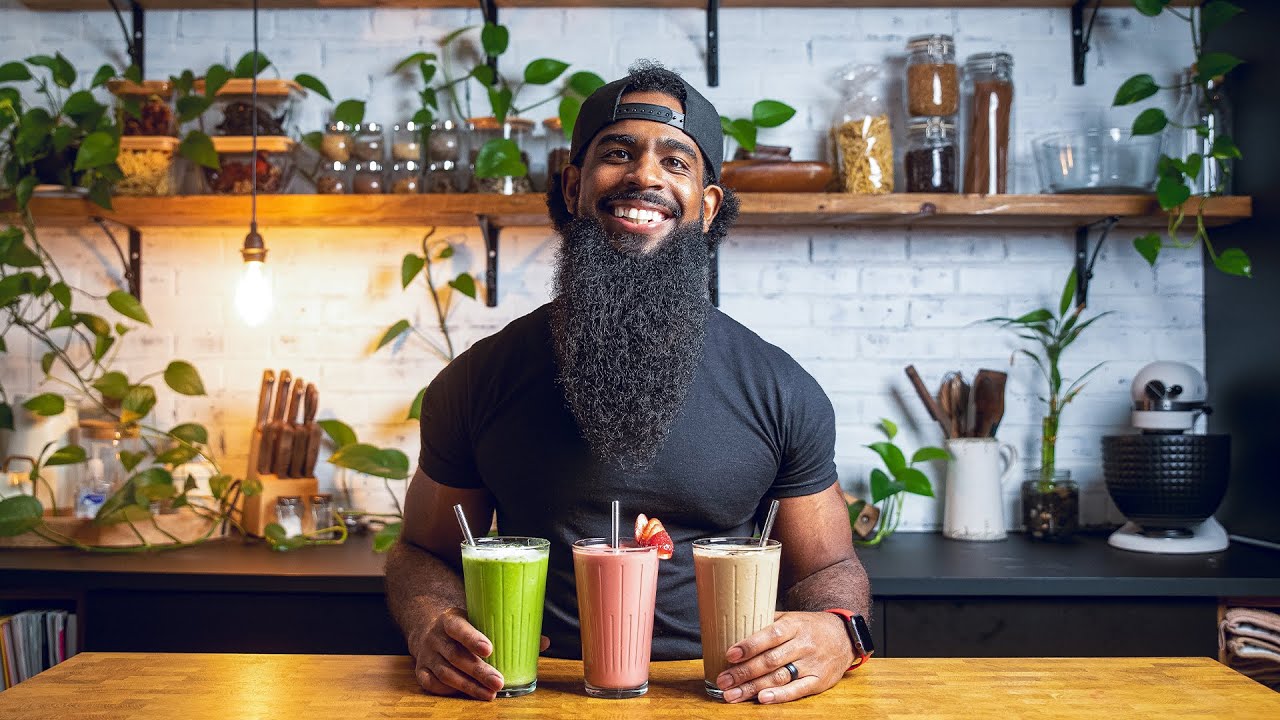
A smoothie can be a genuinely solid breakfast or it can be flavored sugar water that leaves you hungry again by 10 a.m. — the difference usually comes down to what’s backing up the fruit. This is one of the more dependable vegan breakfast smoothie recipes for that reason: strawberry and banana carry the flavor, while peanut butter, oats, and chia seeds do the quieter work of keeping you full.
The formula is simple once you see it: pick a protein source first, then build a liquid, fruit, and a few add-ins around it. Here, that protein comes from a combination of peanut butter, oats, and chia seeds rather than a single ingredient, which keeps the flavor firmly in strawberry-banana territory instead of tasting like a protein shake.
A handful of spinach goes in too, mostly unnoticed against the strawberries and banana. It’s a small addition that pushes this from a fruit smoothie into more of a fruit vegetable smoothie, without changing the flavor much at all.
Below, you’ll find the full recipe, the reasoning behind the ingredient choices, mistakes worth avoiding, nutrition based on the exact quantities used, and a handful of variations — including how to turn this into a vegan smoothie bowl if you’d rather eat it with a spoon.
Why This Recipe Works
Fruit alone gives a smoothie natural sugar and valuable micronutrients, but without protein or fat to slow things down, that sugar gets absorbed quickly and the body has little left to work with an hour or two later. This is the gap most simple fruit smoothies fall into — they taste great and then leave you hunting for a snack well before lunch.
Peanut butter, oats, and chia seeds close that gap in different ways. Peanut butter adds fat and a small amount of protein along with its flavor. Oats are a slow-digesting carbohydrate, which means they release energy more gradually than the sugar in fruit alone. Chia seeds add fiber and a bit of plant-based protein, and they also help thicken the smoothie as they sit, absorbing some of the liquid.
Spinach is included mainly for its nutrient density — it’s a source of iron, vitamin A, and other micronutrients — while contributing very little flavor of its own. Blended into a strawberry-banana base, it’s easy to include without changing the taste you’re expecting.
A smoothie without protein or fat is just sugar with a head start — it won’t hold you for long.
Tips Before You Start
A few habits make a real difference in how this smoothie turns out, especially if you want it thick and cold rather than thin and diluted.
Use frozen fruit instead of ice whenever you can. Ice adds cold and thickness, but it also dilutes flavor, which often leads to needing more sweetener just to taste something. Frozen banana and frozen strawberries do the same job for texture without watering things down.
Choose a nut or seed butter with a neutral or complementary flavor if you’re swapping out peanut butter. Cashew butter, for example, blends smooth and stays fairly neutral, letting the strawberry-banana flavor lead.
Quick Recipe Information
Ingredients
- 1 cup unsweetened soy milk (a higher-protein plant milk compared to most other plant milks; swap in pea milk if you’d like to avoid soy while keeping a similar protein boost)
- 1 frozen banana (adds sweetness and a thick, creamy texture without needing ice)
- 1 cup frozen strawberries (brings brightness and natural sweetness; fresh strawberries work too, though the texture will be a little thinner)
- 1 tablespoon peanut butter (the dominant flavor alongside the berries; cashew butter is a good neutral-flavored substitute if you want the fruit to lead more)
- 2 tablespoons rolled oats (a slow-digesting carbohydrate that helps this smoothie hold you over longer than fruit alone)
- 1 tablespoon chia seeds (adds fiber and plant-based protein; flax seeds work as a substitute but carry a noticeably nuttier flavor)
- 1 cup fresh spinach (adds nutrients with almost no impact on flavor; kale is a solid substitute with a similar protein contribution)
- Agave, to taste, optional [VERIFY exact amount to taste] (a mild sweetener that doesn’t compete with the other flavors; add gradually since the banana and strawberries already provide sweetness)
Equipment Needed
- Blender (a high-powered blender breaks down the oats and chia seeds most completely, though a standard blender will still work)
- Measuring cups and spoons
Step-by-Step Instructions
- Add the soy milk to the blender first. Starting with the liquid helps everything else blend more evenly instead of sticking to the blade.
- Add the frozen banana and strawberries. Using frozen fruit here gives you thickness and cold temperature without needing ice, which would dilute the flavor.
- Add the peanut butter, oats, and chia seeds. These sink toward the liquid and blend more evenly than if they were added on top of the fruit.
- Add the spinach. Adding it last, closest to the blade, helps it break down fully rather than leaving small green flecks.
- Blend until completely smooth. This typically takes 45–60 seconds in a high-powered blender [VERIFY timing for your specific blender]; a standard blender may need closer to 90 seconds. You’re looking for no visible oat pieces or spinach flecks.
- Taste and adjust. If it needs more sweetness, add a small amount of agave and blend briefly to combine. If it’s too thick, add a splash more soy milk.
- Pour and serve immediately. The chia seeds will continue to thicken the smoothie the longer it sits, so it’s best enjoyed fresh.
Vegan Strawberry Banana Peanut Butter Smoothie
A protein-and-fiber-forward vegan breakfast smoothie built on strawberries, banana, peanut butter, and oats.
Ingredients
- 1 cup unsweetened soy milk
- 1 frozen banana
- 1 cup frozen strawberries
- 1 tbsp peanut butter
- 2 tbsp rolled oats
- 1 tbsp chia seeds
- 1 cup fresh spinach
- Agave to taste (optional)
Instructions
- Add soy milk to the blender first.
- Add frozen banana and strawberries.
- Add peanut butter, oats, and chia seeds.
- Add the spinach last.
- Blend until completely smooth.
- Taste and adjust sweetness.
- Pour and serve right away.
Chef’s Tips
- Choose your protein source before anything else. Deciding on peanut butter, oats, and chia seeds first makes it much easier to build the rest of the smoothie around a flavor that actually works together.
- Keep bananas frozen and ready. Peel and freeze ripe bananas in advance so you’re never stuck using a fresh one and needing extra ice to compensate.
- Swap spinach for kale if you prefer. Both contribute a similar amount of protein and nutrients with minimal flavor impact, so use whichever you have on hand.
- Add plant milk gradually if the blend is too thick. It’s easier to loosen a thick smoothie than to thicken one that’s already too thin.
- Freeze leftovers in an ice cube tray for grab-and-go mornings. Silicone trays make the frozen cubes easy to pop out, and you can blend them with a splash of milk when you’re ready.
Common Mistakes
- Using ice instead of frozen fruit
The mistake: the smoothie tastes watered down and needs extra sweetener to taste right.
Why it happens: ice is an easy default for cold, thick texture, but it dilutes flavor as it melts.
The fix: keep bananas and strawberries frozen ahead of time so you don’t need ice at all.
- Skipping the protein source
The mistake: the smoothie tastes great but leaves you hungry again soon after.
Why it happens: fruit alone provides fast-digesting sugar without much to slow it down.
The fix: keep at least one solid protein and fat source — like peanut butter, oats, or chia seeds — in the mix.
- Adding spinach on top of the ice
The mistake: small green flecks remain visible in the finished smoothie.
Why it happens: leafy greens need to be close to the blade to break down completely.
The fix: add spinach last, right before blending, so it sits closest to the blade.
- Letting it sit too long before drinking
The mistake: the smoothie turns noticeably thicker, almost pudding-like.
Why it happens: chia seeds continue to absorb liquid and expand the longer they sit.
The fix: drink it soon after blending, or thin it with a splash of plant milk if it’s been sitting a while.
- Overdoing the sweetener
The mistake: the smoothie becomes overly sweet and the fruit flavor gets buried.
Why it happens: it’s easy to add sweetener before tasting, especially out of habit.
The fix: taste first — the banana and strawberries usually provide enough natural sweetness on their own.
Recipe Variations
- Vegetarian — This recipe is already vegan, which covers vegetarian as well.
- Gluten-Free — Naturally gluten-free if you use oats labeled certified gluten-free, since standard oats can carry cross-contamination risk.
- Spicy — Not a natural fit for this flavor profile, but a small pinch of cayenne can add warmth to a mango or tropical version of this same base formula.
- Dairy-Free — Already dairy-free as written, using soy milk instead of any dairy product.
- Low Carb — Reduce the banana to half and add a bit more spinach or a spoonful of avocado to keep the texture thick while lowering the carbohydrate count.
- Kid-Friendly — Reduce the spinach slightly and lean into the peanut butter and berry flavors, which tend to be the most familiar and appealing combination for kids.
- Vegan Smoothie Bowl — Use less plant milk (about half the amount) for a thicker, spoonable texture, then top with granola, sliced banana, and a few extra berries.
Storage & Reheating
Refrigeration: Store in an airtight container in the fridge for up to 24 hours. The chia seeds will continue to thicken the texture, so give it a stir or a splash of extra milk before drinking.
Freezing: Pour into an ice cube tray or a freezer-safe jar (filled only about three-quarters full to allow for expansion) and freeze. Thaw in the fridge for about an hour before drinking, then shake or stir well.
Reheating: Not applicable — this is meant to be served cold.
Shelf life: Best within 24 hours in the fridge, or up to a few weeks frozen in a sealed container.
Meal prep tip: Freeze individual smoothie portions in mason jars or silicone trays so you can grab one, let it thaw in the fridge overnight, and have it ready by morning.
Serving Suggestions
- Topped with granola — thicken the smoothie slightly and serve it as a bowl with granola and extra berries for more texture.
- Alongside a savory breakfast — pair with something more substantial, like our vegan sweet potato pancakes, for a fuller vegan breakfast spread.
- With a hot drink — coffee or tea works well alongside this smoothie, especially if you’re keeping breakfast light but still want something warm.
- As part of a batch-prepped morning routine — if you’re already meal-prepping breakfasts, see our freezer breakfast meals for other make-ahead ideas that pair well with a quick smoothie.
- Next to fresh fruit — a small side of extra berries or sliced banana adds variety without much extra prep.
Nutrition Information
Calculated per serving (this recipe makes 1 serving), based on standard USDA-type values for 1 cup unsweetened soy milk, 1 medium frozen banana, 1 cup frozen strawberries, 1 tablespoon peanut butter, 2 tablespoons rolled oats, 1 tablespoon chia seeds, and 1 cup fresh spinach. Optional agave is not included since the amount varies by taste.
Where this varies most: soy milk brands differ in protein content — some unsweetened varieties provide closer to 7g of protein per cup, others closer to 9–10g, so your total protein may land a bit higher than the estimate above. If you add agave, expect a modest increase in calories and sugar depending on how much you use.
These figures are estimates only and will vary based on the specific brands, fruit ripeness, and substitutions you use. They’re meant as a general guide, not a precise clinical measurement.
Frequently Asked Questions
-
Can I taste the spinach in this smoothie?
Barely, if at all. Blended with strawberries, banana, and peanut butter, spinach’s flavor is easy to miss, though the color of the smoothie will lean slightly more green-brown than pink.
-
Why choose the protein source first when building a smoothie?
Starting with protein gives you a foundation to build flavors around, rather than trying to work a protein source in at the end and ending up with a combination that doesn’t quite fit — like adding peanut butter to a tropical fruit smoothie as an afterthought.
-
Can I use a different plant milk?
Yes. Soy milk and pea milk both tend to be higher in protein than almond or oat milk, so they’re worth choosing if protein content matters to you. Any unsweetened plant milk will work flavor-wise.
-
What can I substitute for chia seeds?
Flax seeds work well nutritionally, but they carry a noticeably nuttier flavor that can compete with the fruit. Hemp seeds are another option, though some people find them harder to digest.
-
Is this smoothie filling enough to count as a full breakfast?
With roughly 18g of protein, 14g of fiber, and healthy fat from the peanut butter, it’s more substantial than a typical fruit-only smoothie, though how filling it feels will vary from person to person.
-
Can I turn this into a vegan smoothie bowl?
Yes — use about half the plant milk for a thicker consistency, pour it into a bowl, and top with granola, extra berries, or a drizzle of peanut butter.
-
Why does my smoothie thicken so much after sitting in the fridge?
That’s the chia seeds absorbing liquid over time. Stir in a little extra plant milk to loosen it back up before drinking.
-
Can I make this nut-free?
Yes — swap the peanut butter for sunflower seed butter, which has a similar richness without the nut allergen concern.
-
Is fresh or frozen spinach better here?
Fresh spinach blends smoothly and is what this recipe is built around, but frozen spinach works too — just expect a slightly colder, thicker result.
-
How can I add more protein without changing the flavor much?
Switching to a higher-protein plant milk, like soy or pea milk, is the easiest way to boost protein without introducing a new flavor into the mix.
Conclusion
Good vegan breakfast smoothie recipes come down to balance — enough fruit for flavor, enough protein and fat to actually hold you over. This strawberry banana peanut butter version checks both boxes, with oats, chia seeds, and a quiet handful of spinach doing most of the work behind the scenes.
Once you’ve made it a few times, the “protein first” approach becomes an easy habit to apply to other combinations too, whether that’s a tropical version or a chocolate-mocha one. It’s worth bookmarking as a reliable base recipe to build from.
For more ways to round out your morning, our vegan sweet potato pancakes and magic bullet breakfast smoothie recipes are both good next stops.
Watch How It’s Made
Vegan Breakfast Smoothie Recipes t
Ingredients
- 1 cup unsweetened soy milk (a higher-protein plant milk compared to most other plant milks; swap in pea milk if you'd like to avoid soy while keeping a similar protein boost)
- 1 frozen banana (adds sweetness and a thick, creamy texture without needing ice)
- 1 cup frozen strawberries (brings brightness and natural sweetness; fresh strawberries work too, though the texture will be a little thinner)
- 1 tablespoon peanut butter (the dominant flavor alongside the berries; cashew butter is a good neutral-flavored substitute if you want the fruit to lead more)
- 2 tablespoons rolled oats (a slow-digesting carbohydrate that helps this smoothie hold you over longer than fruit alone)
- 1 tablespoon chia seeds (adds fiber and plant-based protein; flax seeds work as a substitute but carry a noticeably nuttier flavor)
- 1 cup fresh spinach (adds nutrients with almost no impact on flavor; kale is a solid substitute with a similar protein contribution)
- Agave, to taste, optional [VERIFY exact amount to taste] (a mild sweetener that doesn't compete with the other flavors; add gradually since the banana and strawberries already provide sweetness)
Instructions
- 1 cup unsweetened soy milk (a higher-protein plant milk compared to most other plant milks; swap in pea milk if you'd like to avoid soy while keeping a similar protein boost)
- 1 frozen banana (adds sweetness and a thick, creamy texture without needing ice)
- 1 cup frozen strawberries (brings brightness and natural sweetness; fresh strawberries work too, though the texture will be a little thinner)
- 1 tablespoon peanut butter (the dominant flavor alongside the berries; cashew butter is a good neutral-flavored substitute if you want the fruit to lead more)
- 2 tablespoons rolled oats (a slow-digesting carbohydrate that helps this smoothie hold you over longer than fruit alone)
- 1 tablespoon chia seeds (adds fiber and plant-based protein; flax seeds work as a substitute but carry a noticeably nuttier flavor)
- 1 cup fresh spinach (adds nutrients with almost no impact on flavor; kale is a solid substitute with a similar protein contribution)
- Agave, to taste, optional [VERIFY exact amount to taste] (a mild sweetener that doesn't compete with the other flavors; add gradually since the banana and strawberries already provide sweetness)