
Healthy Shakshuka: Eggs Poached in Spiced Tomato
A one-pan, vegetable-packed skillet with runny yolks, salty feta, and crusty bread for scooping.

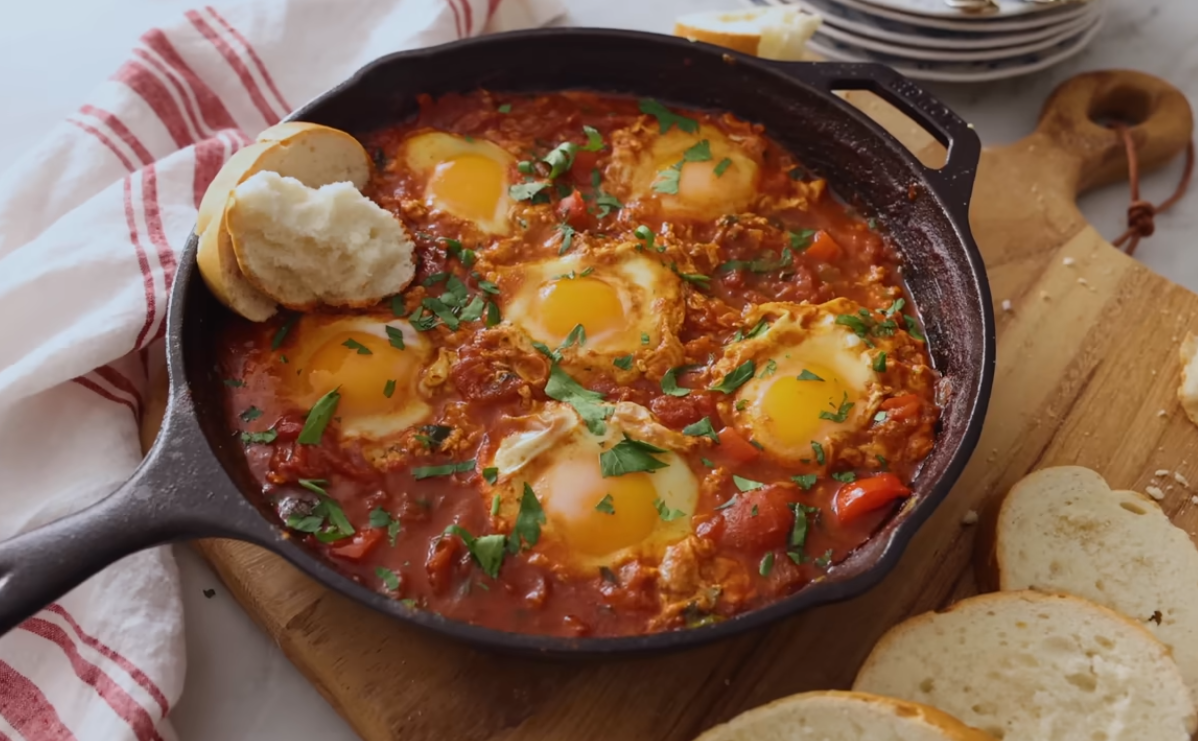
Healthy shakshuka is a skillet of onions, bell pepper, garlic, and tomatoes simmered with warm spices until thick, then topped with eggs that poach right in the sauce. The name is often translated as “mixed up,” which suits a dish where everything cooks together in one pan. It comes from North Africa and is now eaten across the Middle East and the Mediterranean.
It works for breakfast, brunch, a quick lunch, or a light dinner. The sauce is savory and a little sweet, the yolks turn into a second sauce, and the feta adds a salty, creamy finish. This shakshuka recipe is a good fit for anyone who wants a healthy Turkish-style egg dish that feels like a real meal, since the eggs bring protein and the vegetables bring fiber.
Shakshuka has thousands of versions, so consider this a reliable template. Make it mild for a family table, turn up the heat if you like, and clear out the vegetable drawer while you’re at it.
Why This Healthy Shakshuka Works
The whole dish depends on a thick sauce. Onion and bell pepper cook slowly first until they turn soft and sweet, which builds a base that tastes rich without much oil. The spices go in next, and cooking them briefly in hot oil with the garlic wakes up their flavor before the tomatoes arrive.
Then the tomatoes simmer until they lose their raw edge and reduce. A watery sauce can’t hold an egg in place, so the whites spread out and cook unevenly. A thick sauce lets you press wells into it, and the eggs stay contained and set gently under a lid while the yolks stay soft.
The result is a balanced pan: vegetables and tomatoes for fiber and vitamins, eggs for protein, olive oil for healthy fat, and feta used as a garnish rather than a heavy blanket.
Thick sauce, gentle heat, and a lid. Those three things do most of the work.
Tips Before You Start
Chop the onion, pepper, and garlic before the pan goes on the heat. The vegetables need a slow 10 to 12 minutes, but the garlic and spices need close attention once they go in, so you want everything within reach.
Use a large, wide skillet so the sauce reduces quickly and there’s space for six eggs. Stainless steel and well-seasoned cast iron both work, though acidic tomatoes can dull cast iron seasoning if they sit for a long time, so serve it soon after cooking and don’t store leftovers in the pan.
Quick Recipe Information
Ingredients
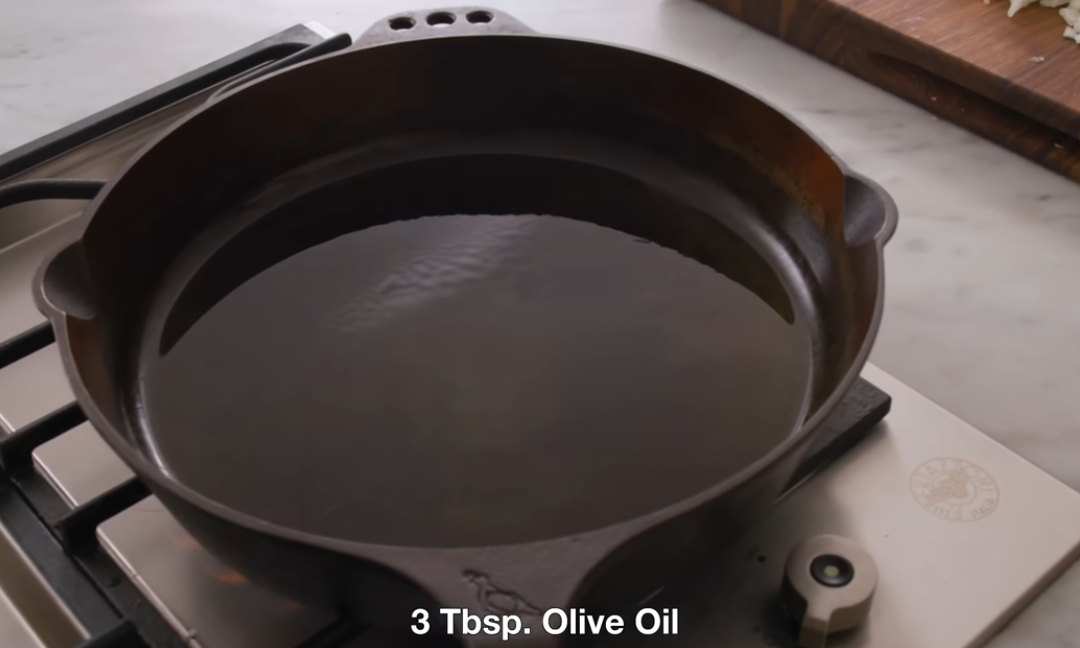
- 3 tablespoons olive oil (carries the flavor of the spices; avocado oil works too)
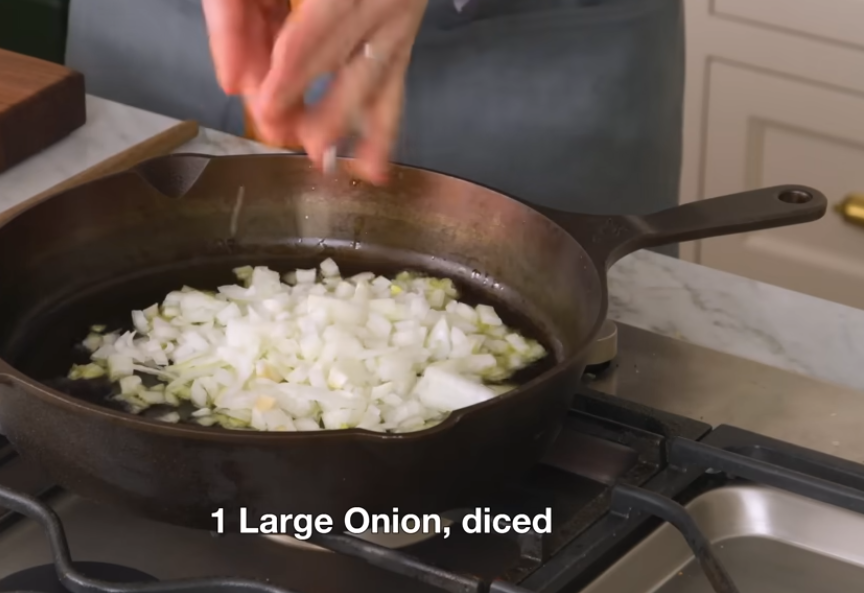
- 1 large yellow onion, diced (or 1½ small; the sweet base of the sauce)
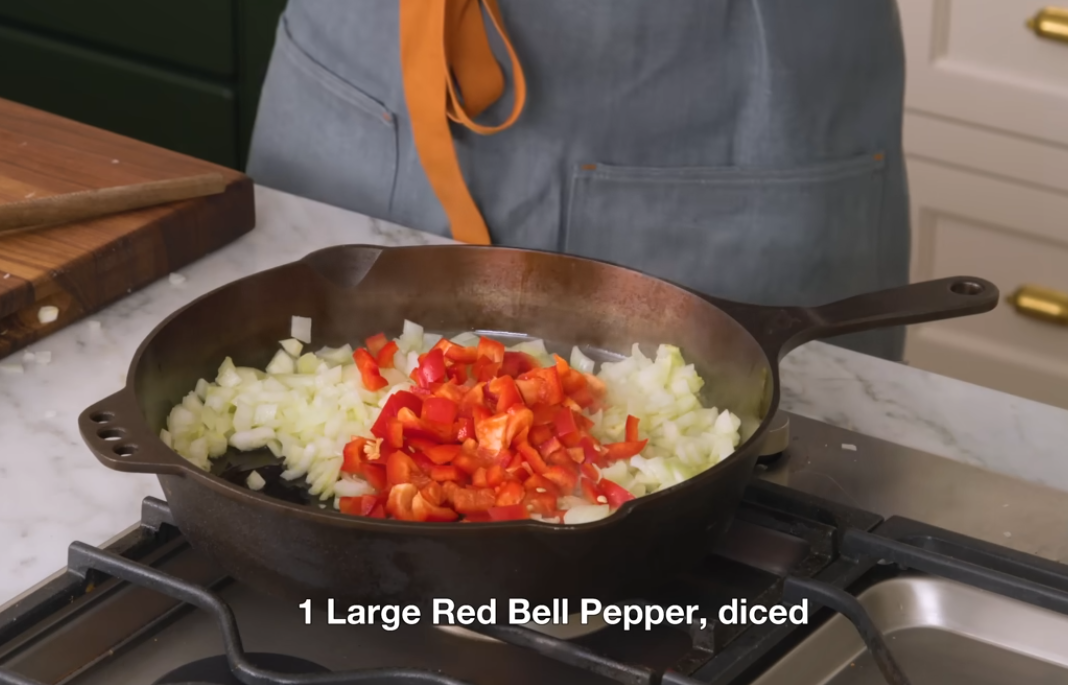
- 1 large bell pepper, seeded and diced (any color; swap in poblano or add a jalapeño for heat)
- 4 garlic cloves, minced (smash them first to release more aroma)
- 1 teaspoon paprika (color and mild sweetness; smoked paprika adds depth)
- 1 teaspoon chili powder (gentle warmth; use cayenne or Aleppo pepper for more)
- 2 teaspoons ground cumin (the earthy backbone of shakshuka)
- 1 can (28 oz) whole peeled tomatoes (crushed or fire-roasted also work; see the note on fresh tomatoes below)
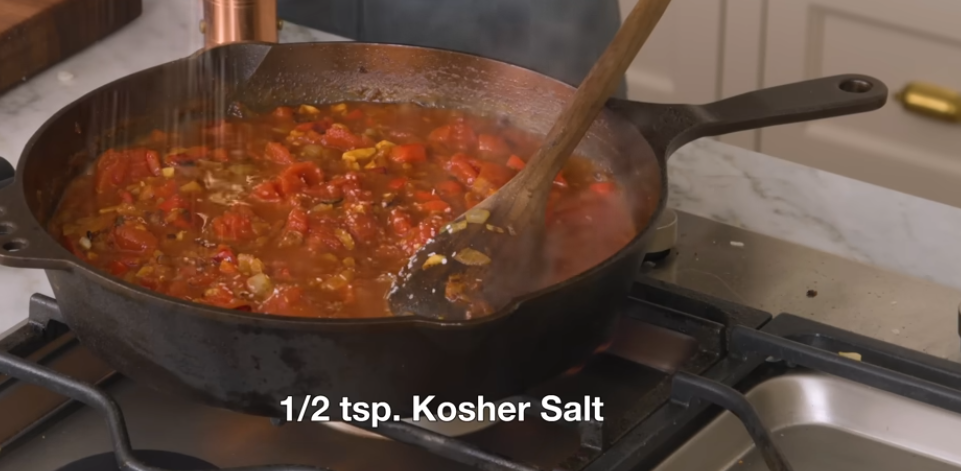
- ½ teaspoon kosher salt (use about ¼ teaspoon if you’re using fine table salt, then adjust)
- ½ teaspoon freshly ground black pepper
- ¼ cup chopped fresh cilantro or parsley, plus extra for topping (fresh, bright contrast to the cooked sauce)
- 6 large eggs (use fewer for a smaller pan; up to 7 may fit)
- ¼ cup crumbled feta (salty and creamy; skip or use a dairy-free alternative if needed)
- Crusty bread or warm pita, for serving
For shakshuka with fresh tomatoes, use about 2 pounds of ripe tomatoes, chopped, and plan on a longer simmer to cook off their extra water.
Equipment Needed
- Large, wide skillet with a lid (12-inch stainless steel or well-seasoned cast iron)
- Wooden spoon, for stirring and making egg wells
- Cutting board and sharp knife
- Small bowl, for cracking each egg before it goes in
Step-by-Step Instructions
- Prep the vegetables. Dice the onion, seed and dice the bell pepper (cut skin-side up so the knife doesn’t slip), and smash then mince the garlic. Having everything ready keeps the garlic from burning later.
- Heat the oil. Warm the olive oil in a large skillet over medium heat for about 2 minutes, until it shimmers. That shimmer means the pan is ready to soften the vegetables instead of just steaming them.
- Soften the onion and pepper. Add both and cook 10 to 12 minutes, stirring now and then, until the onion is translucent and just starting to pick up color. You want mellow and soft, not charred.
- Bloom the spices and garlic. Stir in the paprika, chili powder, cumin, and garlic. Cook for about 2 minutes, stirring constantly, until fragrant. This unlocks the flavor of the spices and mellows raw garlic.
- Add the tomatoes. Drain off a little of the liquid from the can, then add the tomatoes and break them up with a wooden spoon. Add back extra juice only if you need it. Stir in the salt and pepper.
- Simmer until thick. Bring to a boil, then reduce to a gentle simmer for 15 to 20 minutes. The sauce should be noticeably thicker and hold a trail when you drag a spoon through it. Taste, adjust the seasoning, and stir in the herbs, saving a little for the top.
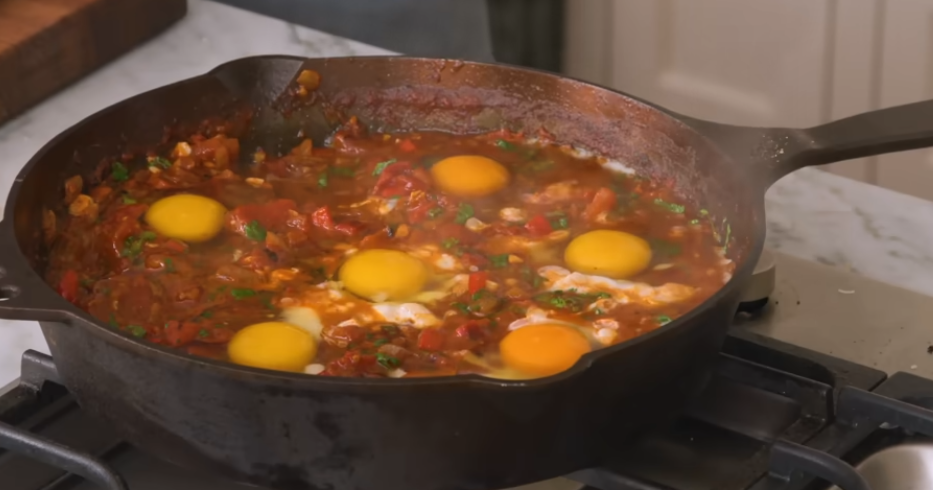
- Add the eggs. Crack one egg into a small bowl. Use the back of a spoon to press a shallow well in the sauce and slide the egg in. Nudge a little sauce up around the edge to contain it. Repeat with the remaining eggs.
- Cover and cook. Cover the pan and cook on medium-low. Check at 4 to 5 minutes on gas or propane and at 10 minutes on electric. The whites should be set and opaque, and the yolks should still wobble.
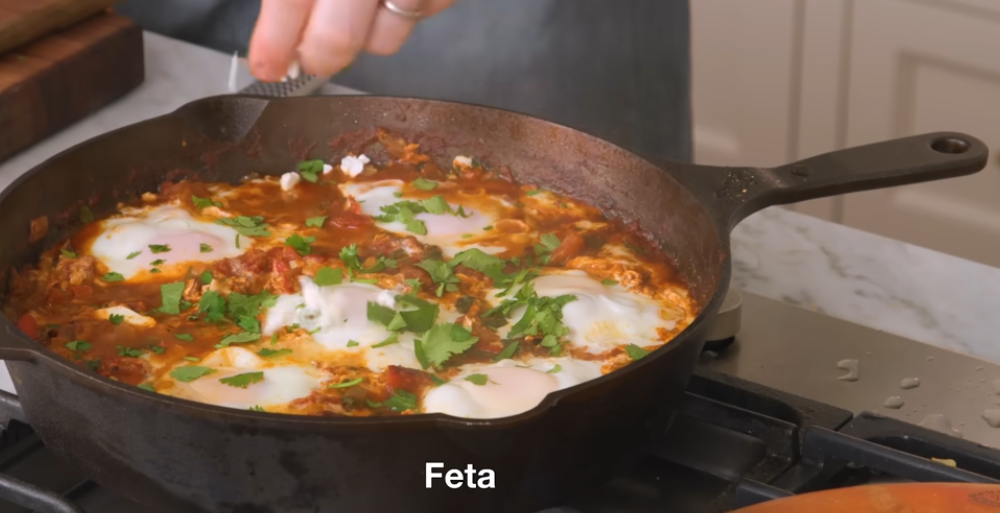
- Finish and serve. Remove from the heat right away, since the eggs keep cooking in the hot sauce. Top with feta and the reserved herbs, then serve straight from the pan with crusty bread or pita.
Healthy Shakshuka
Eggs poached in a thick, spiced tomato and pepper sauce, finished with feta and herbs.
Ingredients
- 3 tbsp olive oil
- 1 large onion, diced
- 1 large bell pepper, diced
- 4 garlic cloves, minced
- 1 tsp paprika
- 1 tsp chili powder
- 2 tsp ground cumin
- 1 can (28 oz) whole peeled tomatoes
- ½ tsp kosher salt
- ½ tsp black pepper
- ¼ cup cilantro or parsley
- 6 large eggs
- ¼ cup crumbled feta
- Crusty bread or pita
Instructions
- Heat oil in a large skillet over medium until shimmering.
- Cook onion and pepper 10–12 minutes until soft and translucent.
- Stir in spices and garlic for 2 minutes until fragrant.
- Add tomatoes, breaking them up, plus salt and pepper.
- Simmer 15–20 minutes until thick. Stir in herbs.
- Make six wells and slide in the eggs.
- Cover and cook until whites are set and yolks are runny (about 4–12 minutes).
- Top with feta and herbs. Serve with bread.
Chef’s Tips
- Drain a little tomato liquid. Canned tomatoes vary in juiciness, and you can always stir juice back in, but you can’t easily remove it.
- Crack eggs into a bowl first. It keeps shell out of the pan and lets you slide each egg into its well without breaking the yolk.
- Use a lid. Trapped steam sets the tops of the whites while the yolks stay soft.
- Taste before the eggs go in. Once the eggs are in, you can’t stir, so season the sauce properly beforehand.
- Chop leftover vegetables small. Zucchini, spinach, or mushrooms soften fast when they’re cut small and added with the pepper.
- Pull it off the heat early. Residual heat keeps cooking the eggs, so take the pan off when the yolks still look a bit underdone.
Common Mistakes
1. A watery sauce
It happens when the tomatoes aren’t simmered long enough or too much juice goes in. Drain some liquid and simmer until thick. If it’s already too thin, uncover and cook it down a few more minutes before adding eggs.
2. Overcooked, chalky yolks
Every stove is different, so a fixed timer leads to hard yolks. Start checking at 4 to 5 minutes on gas and 10 on electric. If they’ve gone too far, serve with extra sauce and feta to add moisture.
3. Burnt garlic and spices
Adding them to dry, scorching oil or leaving them unattended makes them bitter. Keep the heat at medium, stir constantly for 2 minutes, and add tomatoes if the pan gets too hot. If they burn, start over, since bitterness won’t cook out.
4. Rushing the vegetables
Undercooked onion and pepper stay crunchy and sharp. Give them the full 10 to 12 minutes. If you find them firm later, simmer the sauce a bit longer before adding eggs.
Recipe Variations
- Vegetarian shakshuka: This version already is one. Add chickpeas or spinach for more substance.
- Gluten-free: Serve with gluten-free bread, rice, or roasted potatoes. The sauce itself contains no gluten.
- Spicy shakshuka: Add a diced jalapeño with the bell pepper, or stir in cayenne, harissa, or Aleppo pepper with the spices.
- Dairy-free: Skip the feta and top with olives, capers, or a squeeze of lemon.
- Low carb: Serve with a side salad or roasted vegetables in place of bread.
- Kid-friendly: Use only bell pepper, skip the chili powder, and cook the yolks a little firmer.
- Shakshuka with vegetables and eggs: Add diced zucchini, mushrooms, or a handful of spinach for extra nutrients.
Storage & Reheating
Refrigerator: The sauce keeps in an airtight container for up to 4 days. Eggs are best eaten fresh, so store the sauce separately if you can.
Freezer: Freeze the sauce alone (before adding eggs) for up to 3 months. Thaw overnight in the fridge.
Reheating: Warm the sauce in a skillet over medium-low heat with a splash of water, then poach fresh eggs in it. Cooked eggs can turn rubbery when reheated.
Meal prep: Make a double batch of sauce on Sunday and cook eggs into it as needed. It’s a great weekday shortcut, much like the make-ahead ideas in our loaded egg muffins.
Serving Suggestions
- Crusty bread or warm pita: The sauce is meant to be scooped up, and starchy bread carries it well.
- A simple green salad with lemon: Fresh acidity balances the rich, cooked tomato.
- Feta tomato basil toast: Try it alongside our Mediterranean feta tomato basil toast for a full brunch spread.
- Plain yogurt or labneh: A cool, creamy spoonful tames spice and adds protein.
- Mint tea or fresh orange juice: Both are light and refreshing next to a savory pan.
If you enjoy saucy baked eggs, our baked eggs with ricotta, tomato, and basil are a close cousin worth trying next.
Nutrition Information
Values are estimates per serving (about 1½ eggs, without bread) and will vary by brand and portion size.
Frequently Asked Questions
- What does shakshuka mean?
It’s commonly translated as “mixed up,” which describes the way vegetables, spices, and eggs cook together in one pan.
- Is shakshuka actually healthy?
This healthy shakshuka is built on vegetables, tomatoes, olive oil, and eggs, so it offers protein, fiber, and healthy fats with moderate calories. Serving it with whole-grain bread makes it even more filling.
- Can I make shakshuka with fresh tomatoes?
Yes. Use about 2 pounds of ripe tomatoes and simmer longer, since fresh tomatoes release more water. Canned tomatoes are more consistent in the off-season.
- How do I know when the eggs are done?
The whites should be opaque and set with only the yolks still jiggling. Cook time ranges from about 4 minutes on a hot gas burner to 12 on electric.
- Can I use a cast iron skillet?
Yes, if it’s well seasoned. Just don’t let the tomato sauce sit in it for long, since acidity can wear down the seasoning.
- How do I make spicy shakshuka?
Add a diced jalapeño with the bell pepper, or increase the chili powder or add cayenne, harissa, or Aleppo pepper.
- Is shakshuka a Turkish dish?
It’s typically traced to North Africa, though similar tomato and egg dishes such as menemen are popular in Turkey, which is why it’s often described as a healthy Turkish-style egg dish.
- Can I make it ahead?
Make the sauce up to 4 days ahead, then reheat and poach the eggs when you’re ready to serve.
- What can I serve with shakshuka?
Crusty bread, pita, or naan for scooping, plus a green salad, yogurt, or roasted potatoes.
- Can I use fewer or more eggs?
Yes. Use as few as you like, or fit in a seventh egg if your skillet is wide enough.
Conclusion
Healthy shakshuka is easy, flexible, and filling. Once you know how to thicken the sauce and time the eggs on your own stove, you can change the vegetables and spices to suit whoever is at the table.
Save or bookmark this recipe for your next slow weekend brunch or quick weeknight dinner, and tell us in the comments what you add to your version. If you want more egg-forward ideas, try our Mediterranean frittata next.