
Healthy Breakfast Shakes Protein that actually taste like dessert
A five-ingredient banana oatmeal protein shake with warm cinnamon and peanut butter — cold, thick, and built to hold you until lunch.
 August 19, 2026
9 min read
August 19, 2026
9 min read
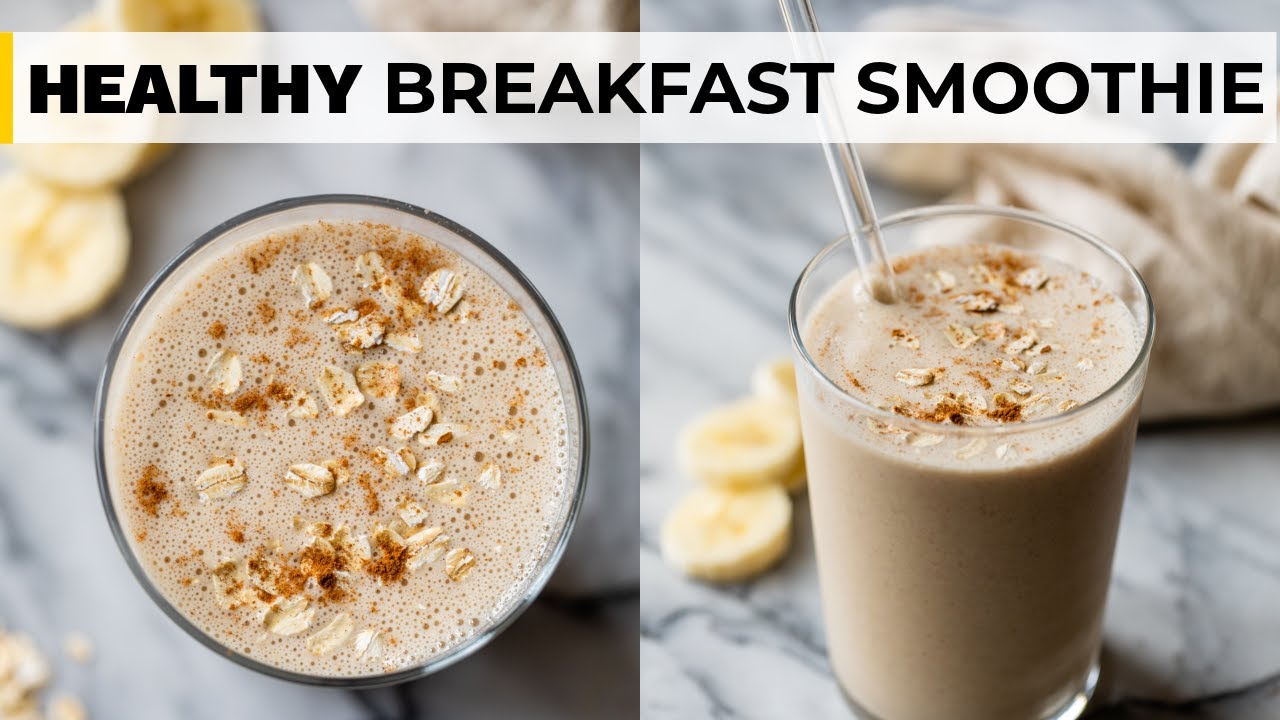
Some mornings call for a real breakfast, and some mornings call for something you can drink on your way out the door. This banana oatmeal protein shake is built for the second kind of morning — and it still manages to taste like a peanut butter oatmeal cookie in a glass. If you’ve been searching for healthy breakfast shakes protein-focused enough to actually keep you full, this is a solid one to know.
What makes it work is the combination of oats, banana, nut butter, and protein powder blended together instead of eaten separately. Rolled oats add slow-digesting carbohydrates, the frozen banana brings natural sweetness and a cold, milkshake-like body, and the nut butter and protein powder round it out with fat and protein so it doesn’t leave you hungry an hour later.
It’s also one of those recipes that flexes easily. Depending on what’s in your kitchen or what you’re trying to eat more (or less) of, you can swap the banana for mango or cauliflower, change the nut butter, or leave out the protein powder entirely. That kind of flexibility is part of why a shake like this tends to become a regular part of a breakfast rotation rather than a one-time recipe.
Below, you’ll find the full recipe along with the reasoning behind each ingredient, common shake-making mistakes, nutrition based on the exact ingredients used, and enough variations to keep it interesting.
Why This Recipe Works
A shake built entirely from fast-digesting ingredients — fruit juice, honey, plain milk — tends to spike your blood sugar and leave you hungry again soon after. This recipe avoids that by layering in different types of nutrients that digest at different speeds. Rolled oats are a slow-digesting carbohydrate source, which helps steady the release of energy instead of giving you a quick spike and crash.
The frozen banana isn’t just for sweetness — it’s doing textural work, too. Freezing the banana ahead of time means you get a thick, cold, ice-cream-like consistency without needing to add a cup of ice, which would dilute the flavor. This is the same reason smoothie recipes so often call for frozen fruit instead of fresh: cold, frozen produce blends into body, while room-temperature fruit blends into liquid.
Protein and fat are the last piece. A tablespoon of nut butter and a scoop of protein powder both slow down digestion further, which is part of why this shake reads more like a real breakfast than a fruit smoothie. Between the oats, banana, nut butter, and protein powder, you’re covering carbohydrate, fat, and protein in one glass — which is the basic formula behind most breakfasts that actually keep you satisfied.
A shake only works as breakfast if it has something to slow it down — otherwise it’s just sweet fruit water.
Tips Before You Start
A few small details make a real difference in how this shake turns out, especially since it only has a handful of ingredients — each one matters more than it would in a longer recipe.
Freeze your banana ahead of time. Peel it first, then freeze it whole or in chunks. A frozen banana blends into a noticeably thicker, colder shake than a fresh one, and it’s the main reason this recipe doesn’t need added ice.
Start with the lower end of your liquid measurement. Add 3/4 cup of almond milk first, blend, and check the texture before adding more. It’s much easier to thin out a shake that’s too thick than to fix one that’s too watery.
Quick Recipe Information
Ingredients
- 1/4 cup (20g) rolled oats (adds slow-digesting carbohydrates and body; quick oats work too, but avoid steel-cut oats since they’re too hard to fully blend smooth)
- 1 frozen banana (creates a thick, cold, milkshake-like texture; swap in 1 cup frozen mango for a fruitier flavor, or 1 cup frozen cauliflower for a lower-sugar, higher-fiber option that’s surprisingly undetectable in flavor)
- 1 tablespoon nut or seed butter (adds healthy fat and richness; peanut, almond, cashew, or sunflower seed butter all work — just look for an all-natural version where the only ingredient is the nut or seed itself)
- 1/2 teaspoon cinnamon (adds a warm, cozy flavor that plays well against the sweetness of the banana)
- 1 scoop vanilla protein powder, optional [VERIFY] (boosts protein for a more filling breakfast; whey, plant-based, or collagen protein all work depending on your preference — exact protein and calorie content will vary by brand)
- 3/4 to 1 cup unsweetened almond milk, or milk of choice (thins the shake to a thick but pourable consistency; start with the lower amount and add more as needed)
Equipment Needed
- Blender (a high-speed blender helps break down the oats fully, but any blender will work)
- Measuring cups and spoons
- Glass or to-go cup for serving
Step-by-Step Instructions
- Add the rolled oats to the blender first. Starting with the oats lets the blade break them down more thoroughly before the other ingredients are layered on top.
- Add the frozen banana. If you didn’t freeze it ahead of time, a fresh banana will still work, but the shake will be thinner and less cold — you may want to add a few ice cubes to compensate.
- Add the nut butter and cinnamon. Spoon the nut butter in rather than pouring, since it’s thick and won’t slide off a measuring spoon easily otherwise.
- Add the protein powder, if using. One scoop is standard, but check your specific product’s serving size since scoop sizes vary between brands.
- Pour in 3/4 cup of almond milk. This is the starting point — you can always add more after blending if the shake is thicker than you’d like.
- Blend until completely smooth. This usually takes 30–60 seconds in a high-speed blender [VERIFY timing for your specific blender]; a standard blender may need a bit longer. You’re looking for no visible oat flecks and a uniform, creamy texture.
- Check the consistency and adjust. If it’s too thick to drink comfortably, blend in a little more almond milk, a tablespoon at a time, until it reaches a texture that’s thick but still pourable.
- Pour and serve immediately. This shake is best enjoyed right after blending, while it’s still cold and thick.
Healthy Breakfast Shakes Protein (Banana Oatmeal)
A five-ingredient banana oatmeal protein shake — thick, cold, and flavored like a peanut butter oatmeal cookie.
Ingredients
- 1/4 cup rolled oats
- 1 frozen banana
- 1 tbsp nut butter
- 1/2 tsp cinnamon
- 1 scoop vanilla protein powder [VERIFY] (optional)
- 3/4–1 cup unsweetened almond milk
Instructions
- Add oats to the blender first.
- Add the frozen banana.
- Add nut butter and cinnamon.
- Add protein powder, if using.
- Pour in 3/4 cup almond milk.
- Blend until completely smooth.
- Adjust thickness with more milk as needed.
- Pour and serve right away.
Chef’s Tips
- Freeze bananas the moment they’re ripe. Peel and freeze ripe bananas in a bag so you always have one ready — this also keeps overripe bananas from going to waste.
- Use quick oats if you want a smoother blend. Quick oats break down slightly faster than old-fashioned rolled oats, which can help in a lower-powered blender.
- Avoid steel-cut oats entirely. They’re too hard and dense to fully break down in a standard blender, and you’ll end up with a gritty texture.
- Add liquid gradually. Starting with less milk and adding more after blending gives you much more control over the final texture than guessing upfront.
- Choose an all-natural nut butter. Check the label — if the only ingredient listed is the nut (and maybe salt), you’re avoiding added sugars and oils that some commercial nut butters include.
- Taste for sweetness before adding anything extra. Between the banana and the vanilla protein powder, most people don’t need any added sweetener at all.
Common Mistakes
- Using steel-cut oats
The mistake: the shake comes out gritty with visible bits of oat.
Why it happens: steel-cut oats are much denser and harder than rolled or quick oats.
The fix: stick with old-fashioned rolled oats or quick oats, both of which blend smooth.
- Using a fresh, unfrozen banana
The mistake: the shake turns out thin and more like a smoothie than a thick shake.
Why it happens: fresh banana doesn’t add the same body that frozen banana does.
The fix: freeze your banana ahead of time, or add a few ice cubes to compensate if you only have fresh.
- Adding too much liquid upfront
The mistake: the shake ends up thin and watery, and it’s hard to fix once it’s already blended.
Why it happens: measuring a full cup of almond milk instead of starting lower.
The fix: start with 3/4 cup, blend, and add more only if needed.
- Skipping protein and fat entirely
The mistake: the shake tastes great but doesn’t keep you full very long.
Why it happens: leaving out the nut butter and protein powder to save calories.
The fix: keep at least one of the two — nut butter or protein powder — to add staying power.
- Letting the shake sit too long before drinking
The mistake: the texture turns watery and separates on the counter.
Why it happens: the frozen banana that gave it body has now melted.
The fix: blend it right before you plan to drink it, or store it in the fridge and give it a quick re-blend or shake before serving.
Recipe Variations
- Vegetarian — This recipe is vegetarian as written. If using protein powder, just confirm it doesn’t include gelatin-based ingredients.
- Gluten-Free — Naturally gluten-free if you use oats labeled certified gluten-free, since cross-contamination during processing is common with standard oats.
- Spicy — Add a small pinch of cayenne alongside the cinnamon for a subtle warmth that plays surprisingly well with the peanut butter flavor.
- Dairy-Free — Already dairy-free with almond milk; just choose a plant-based or vegan protein powder to keep the whole shake dairy-free.
- Low Carb — Swap the banana for 1 cup of frozen cauliflower, which adds the same thick texture with far less sugar and carbohydrate.
- Kid-Friendly — Use a mild vanilla protein powder or skip it altogether, and stick with peanut butter for a familiar, cookie-like flavor kids tend to like.
- Mango Version — Swap the banana for 1 cup of frozen mango for a brighter, fruitier flavor that’s still rich and creamy.
Storage & Reheating
Refrigeration: Store leftovers in an airtight container in the fridge for up to 24 hours. The oats will continue to soften slightly, and the texture will thicken further as it sits.
Freezing: Pour any extra into an ice cube tray and freeze. Blend the frozen cubes with a splash of milk for a quick second shake later in the week.
Reheating: This is meant to be served cold and isn’t reheated. If it thickens too much in the fridge, stir in a splash of milk or give it a quick re-blend.
Shelf life: Best within 24 hours; the banana and oats will continue to break down and change the texture the longer it sits.
Meal prep tip: Pre-portion oats, nut butter, and cinnamon into small containers or bags, and keep frozen banana on hand. On a busy morning, dump the dry ingredients and banana into the blender, add milk and protein powder, and blend.
Serving Suggestions
- With a side of eggs — if you want more staying power, pair this shake with something savory like our loaded egg muffins for a fuller breakfast.
- Alongside coffee or tea — the warm cinnamon flavor in the shake pairs naturally with a hot drink, especially on a cold morning.
- Poured into a bowl with toppings — serve it slightly thicker and top with granola, sliced banana, or a drizzle of extra nut butter for a shake-bowl breakfast.
- As a post-workout recovery drink — given the protein and carbohydrate combination, this shake also works well as a protein shake post workout, not just as breakfast.
- Next to a light savory dish — something like the feta, tomato, and basil toast offers a savory contrast if you want a bit more variety on your plate.
Nutrition Information
Calculated per serving (this recipe makes 1 serving), based on standard USDA-type values for 1/4 cup rolled oats, 1 medium frozen banana, 1 tablespoon peanut butter, 1/2 teaspoon cinnamon, 3/4 cup unsweetened almond milk, and 1 scoop (about 30g) of a typical vanilla whey-style protein powder.
Where this varies most: protein powder is the biggest variable in this shake. Whey, plant-based, and collagen proteins differ significantly in protein content, calories, and sodium — some scoops provide as little as 15g of protein, others closer to 25g or more. The nut butter you choose also shifts fat and sodium slightly depending on the brand. If you skip the protein powder entirely, subtract roughly 120 calories and 24g of protein from the totals above.
These figures are estimates only and will vary based on the specific brands, ripeness of fruit, and substitutions you use. They’re meant as a general guide, not a precise clinical measurement.
Frequently Asked Questions
-
Can I make this shake without a banana?
Yes. Frozen mango is a good substitute if you still want a rich, sweet texture, or use 1 cup frozen cauliflower if you’d prefer something lower in sugar and higher in fiber — it doesn’t come through in the flavor.
-
Is protein powder necessary for this to count as a protein breakfast?
Not strictly — the oats, nut butter, and milk already contribute some protein. But the protein powder is what pushes this into “high protein breakfast smoothies” territory, closer to 30g per serving instead of roughly half that.
-
What kind of protein powder works best here?
Whey protein blends smoothly and has a rich texture, but plant-based or collagen protein both work well too. Choose based on dietary preference — vanilla flavor pairs best with the cinnamon and banana.
-
Can I use quick oats instead of rolled oats?
Yes, quick oats work fine and may blend slightly smoother. Steel-cut oats are the one type to avoid, since they’re too dense to fully break down.
-
How do I make this shake lower in carbohydrates?
Swap the banana for frozen cauliflower, which keeps the thick texture but significantly reduces the sugar and carbohydrate content compared to banana.
-
Can I drink this as a protein shake post workout instead of at breakfast?
Yes — the combination of carbohydrates and protein works well post-workout too, not just first thing in the morning.
-
Why does my shake taste chalky?
This is usually the protein powder not fully blending, especially in a lower-powered blender. Blending longer, or adding the protein powder closer to the liquid rather than on top of the oats, usually solves it.
-
Is this shake suitable for a plant-based diet?
Yes, as long as you use a plant-based protein powder and a nut or seed butter, which are already plant-based by default.
-
Can I make a bigger batch and store it for a few days?
It’s best fresh, but you can store it in the fridge for up to 24 hours. The oats will continue to soften and thicken the texture as it sits, so give it a stir or quick re-blend before drinking.
-
What nut butter substitutions work if I have a peanut allergy?
Sunflower seed butter is a common nut-free option, or you can use almond or cashew butter if tree nuts aren’t a concern.
Conclusion
Healthy breakfast shakes protein-forward enough to actually work as a full meal are harder to find than you’d think — most either skip the protein or skimp on flavor. This banana oatmeal version manages both: it’s built to keep you full, and it tastes like dessert while doing it.
Once you’ve made it a couple of times, the ratios become second nature, and swapping ingredients based on what’s in your kitchen gets easy. It’s worth bookmarking for the mornings when a real breakfast isn’t going to happen but a good one still can.
If you’re also looking for a lighter, fruit-forward option to rotate in, our magic bullet breakfast smoothie recipes are a good next stop.
Watch How It’s Made
Healthy Breakfast Shakes Protein that actually taste like dessert
Ingredients
- 1/4 cup (20g) rolled oats (adds slow-digesting carbohydrates and body; quick oats work too, but avoid steel-cut oats since they're too hard to fully blend smooth)
- 1 frozen banana (creates a thick, cold, milkshake-like texture; swap in 1 cup frozen mango for a fruitier flavor, or 1 cup frozen cauliflower for a lower-sugar, higher-fiber option that's surprisingly undetectable in flavor)
- 1 tablespoon nut or seed butter (adds healthy fat and richness; peanut, almond, cashew, or sunflower seed butter all work — just look for an all-natural version where the only ingredient is the nut or seed itself)
- 1/2 teaspoon cinnamon (adds a warm, cozy flavor that plays well against the sweetness of the banana)
- 1 scoop vanilla protein powder, optional [VERIFY] (boosts protein for a more filling breakfast; whey, plant-based, or collagen protein all work depending on your preference — exact protein and calorie content will vary by brand)
- 3/4 to 1 cup unsweetened almond milk, or milk of choice (thins the shake to a thick but pourable consistency; start with the lower amount and add more as needed)
Instructions
- 1/4 cup (20g) rolled oats (adds slow-digesting carbohydrates and body; quick oats work too, but avoid steel-cut oats since they're too hard to fully blend smooth)
- 1 frozen banana (creates a thick, cold, milkshake-like texture; swap in 1 cup frozen mango for a fruitier flavor, or 1 cup frozen cauliflower for a lower-sugar, higher-fiber option that's surprisingly undetectable in flavor)
- 1 tablespoon nut or seed butter (adds healthy fat and richness; peanut, almond, cashew, or sunflower seed butter all work — just look for an all-natural version where the only ingredient is the nut or seed itself)
- 1/2 teaspoon cinnamon (adds a warm, cozy flavor that plays well against the sweetness of the banana)
- 1 scoop vanilla protein powder, optional [VERIFY] (boosts protein for a more filling breakfast; whey, plant-based, or collagen protein all work depending on your preference — exact protein and calorie content will vary by brand)
- 3/4 to 1 cup unsweetened almond milk, or milk of choice (thins the shake to a thick but pourable consistency; start with the lower amount and add more as needed)