
Caramelized Pork Hash & sweet potato skillet
A savory, sweet-edged breakfast hash built on caramelized pork, roasted sweet potato, and crisp shredded vegetables.

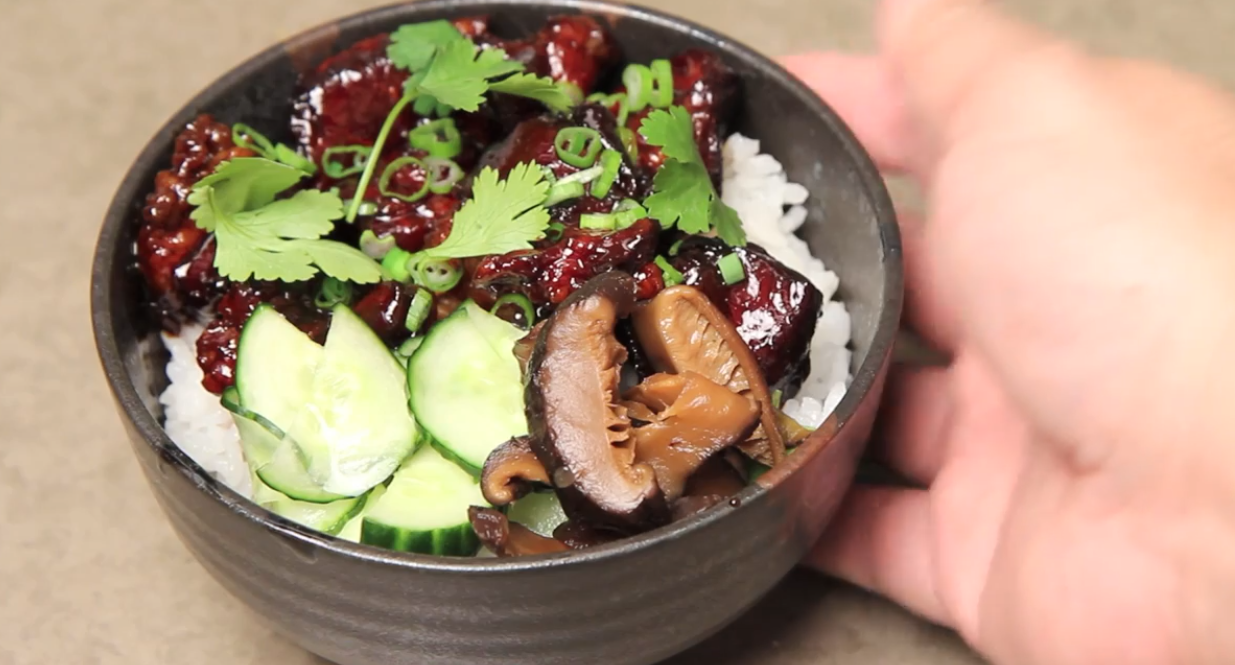
Caramelized pork hash is the kind of breakfast that makes weekday mornings feel a little less rushed. Thin slices of pork get seared until the edges turn sticky and deeply browned, then tossed with diced sweet potato, shredded carrots, and brussels sprouts until everything picks up a little of that same caramelized flavor. It’s savory, slightly sweet, and satisfying enough to skip the toast altogether.
This is really a pulled pork breakfast hash in spirit — the pork is meant to be tender, slightly shredded at the edges, and coated in a glaze that clings to every piece. People come back to pork hash breakfast recipes like this one because they solve a real problem: turning a small amount of meat and a handful of vegetables into something that actually feels like a meal, not just a plate of scrambled eggs.
I started making this on mornings when I had a bit of leftover pork in the fridge and didn’t want to reheat it the same boring way twice. Searing it hard in a hot pan with a touch of sweetness brought it back to life, and once the sweet potato and vegetables joined in, it turned into its own dish entirely — one I now make on purpose, not just to use up leftovers.
Why This Caramelized Pork Hash Works
The whole dish hinges on caramelization, which is really just sugar and protein browning under high heat. When thin pork slices hit a hot pan with a touch of natural sweetness from the sweet potato and any sugars in the pork itself, the surface browns and turns slightly sticky before the inside has a chance to overcook. That’s what gives this hash its signature caramelized pork flavor instead of tasting like plain sautéed meat.
Cutting the sweet potato small and cooking it alongside the pork — rather than boiling it separately first — lets it pick up flavor from the pan and develop its own lightly browned edges. It also means one pan, one cook time, and far less cleanup than a traditional hash that requires parboiling potatoes ahead of time.
Caramelization isn’t about cooking longer — it’s about cooking hot enough for the sugars to actually brown before the pork dries out.
Adding the brussels sprouts, carrots, and shallots near the end keeps them from turning limp. They only need a couple of minutes of high heat to soften slightly while still holding some bite, which is what gives the finished hash its texture contrast against the tender pork and sweet potato.
Tips Before You Start
A few small choices make a real difference in how this hash turns out.
Slice the pork thin, against the grain if you’re working with a tougher cut like shoulder. Thin slices caramelize faster and shred more easily once they hit the pan, which is exactly the texture this pulled pork breakfast hash is going for.
Quick Recipe Information
Ingredients
- ¾ lb pork shoulder or pork loin, thinly sliced — the base of the hash; leftover cooked pork works too, just skip straight to searing it
- 1 tbsp coconut aminos or fish sauce — adds savory depth and helps the pork caramelize; soy sauce works if you’re not strict paleo
- 1 tbsp coconut sugar or honey — the key to real caramelization on the pork’s edges
- 1 clove garlic, minced — rounds out the pork’s flavor
- 1 tbsp coconut oil — high smoke point, ideal for searing at high heat; avocado oil is a good substitute
- ½ cup diced sweet potato (about ½-inch pieces) — adds natural sweetness and body; adjust size for cook time
- 2 tbsp diced shallots — milder and sweeter than onion, but diced onion works in a pinch
- ¼ cup shredded carrots — adds color and a subtle sweetness
- ½ cup sliced brussels sprouts — brings texture and a slight bitterness that balances the sweetness
- 4 mini cherry tomatoes, chopped (optional) — adds brightness; skip if you prefer a drier hash
- Sea salt and black pepper, to taste — adjust based on how salty your coconut aminos or fish sauce is
Equipment Needed
- Large skillet or cast iron pan
- Sharp knife and cutting board
- Mixing bowl (for the pork)
- Wooden spoon or spatula
Step-by-Step Instructions
- Marinate the pork briefly. Toss the thinly sliced pork with coconut aminos (or fish sauce), coconut sugar, and minced garlic. Let it sit for 10–15 minutes while you prep the vegetables — this short marinade is enough time for the sugars and seasoning to cling to the meat.
- Sear the pork and sweet potato together. Heat the coconut oil in a large skillet over medium-high heat until shimmering. Add the pork and diced sweet potato in a single layer and let them sit undisturbed for 2–3 minutes before stirring — this is what builds the caramelized crust instead of just gray, steamed meat.
- Cook until the pork is caramelized and the sweet potato is tender. Continue stir-frying for another 3–4 minutes, until the pork edges look sticky and deeply browned and the sweet potato pieces are fork-tender with a little color on the outside.
- Add the remaining vegetables. Stir in the shallots, shredded carrots, brussels sprouts, and cherry tomatoes if using. Season with a pinch of salt and black pepper, then keep cooking for 2 more minutes, just until the vegetables soften slightly but still have some bite.
- Taste and adjust. Add more salt, pepper, or a small drizzle of coconut aminos if the hash needs more seasoning. The pork should taste noticeably sweet-savory, not flat.
- Serve hot. Divide between plates or bowls and serve immediately, ideally alongside eggs or a simple green salad.
Caramelized Pork Hash
Sticky, caramelized pork tossed with sweet potato, carrots, and brussels sprouts in one skillet.
Ingredients
- ¾ lb pork shoulder or loin, thinly sliced
- 1 tbsp coconut aminos or fish sauce
- 1 tbsp coconut sugar or honey
- 1 clove garlic, minced
- 1 tbsp coconut oil
- ½ cup diced sweet potato
- 2 tbsp diced shallots
- ¼ cup shredded carrots
- ½ cup sliced brussels sprouts
- 4 mini cherry tomatoes, chopped (optional)
- Sea salt and black pepper, to taste
Instructions
- Marinate sliced pork in coconut aminos, coconut sugar, and garlic, 10–15 min.
- Sear pork and sweet potato in hot coconut oil, undisturbed, 2–3 min.
- Stir-fry until pork is caramelized and sweet potato is tender, 3–4 min.
- Add shallots, carrots, brussels sprouts, and tomatoes; season and cook 2 more min.
- Taste, adjust seasoning, and serve hot.
Chef’s Tips
- Use a hot pan, not a warm one. Caramelization needs real heat — if the pan isn’t hot enough before the pork goes in, you’ll get gray, boiled-looking meat instead of a sticky, browned crust.
- Slice the pork thin and even. Uneven pieces cook unevenly, leaving some bites tough and others overdone.
- Let the pan do the work. Resist the urge to stir constantly — a minute or two of undisturbed contact with the pan is what actually builds color.
- Prep vegetables before you start cooking. This dish moves fast once the pan is hot, and there’s no time to dice sweet potato mid-sear.
- Balance the sweetness with acid. A small squeeze of lime or a splash of vinegar at the end cuts through the caramelized sweetness nicely if the hash tastes too rich.
Common Mistakes
- Pork that’s tough instead of tender. This usually happens when the pork is overcooked. Pull it from the heat as soon as the edges caramelize — it should still be juicy, not dried out.
- Sweet potato that’s raw in the middle. Caused by cutting the pieces too large. Dice them small (about ½ inch) so they cook through in the same time as the pork.
- A watery, steamed hash instead of a caramelized one. Overcrowding the pan traps moisture. Use a wide skillet and cook in batches if your pan is on the smaller side.
- Vegetables that turn mushy. Adding the brussels sprouts and carrots too early overcooks them. They only need a couple of minutes at the end.
- A hash that tastes flat. This usually means it needs more salt or a touch more coconut aminos — taste before serving and adjust rather than guessing.
Recipe Variations
- Vegetarian: Swap the pork for cubed tempeh or extra-firm tofu, marinated the same way and seared until caramelized.
- Gluten-Free: Already gluten-free as written — just confirm your coconut aminos or fish sauce brand is certified GF if that matters to you.
- Spicy: Add a pinch of red pepper flakes to the pork marinade or finish the hash with a drizzle of chili oil.
- Dairy-Free: Naturally dairy-free — no adjustments needed.
- Low Carb: Swap the sweet potato for diced radishes or turnips, which caramelize similarly but carry far fewer carbs.
- Kid-Friendly: Reduce or skip the shallots and go easy on the black pepper; kids tend to enjoy the sweet, caramelized pork on its own.
- Egg-Topped: Finish each plate with a fried or soft-boiled egg — the yolk adds richness and turns the hash into a heartier breakfast.
Storage & Reheating
Refrigerator: Store leftovers in an airtight container for up to 4 days.
Freezer: This hash freezes reasonably well for up to 2 months, though the sweet potato texture softens slightly after thawing.
Reheating: Reheat in a hot skillet with a small splash of water or oil to help re-crisp the pork and vegetables. A microwave works in a pinch but won’t bring back the caramelized texture.
Meal prep tip: Dice the sweet potato, carrots, and brussels sprouts up to 2 days ahead and store them in the fridge, so all that’s left on a busy morning is searing the pork and stir-frying everything together.
Serving Suggestions
- Fried or scrambled eggs — a classic pairing that turns the hash into a complete, protein-rich breakfast.
- Sliced avocado — its creaminess balances the caramelized sweetness of the pork and sweet potato.
- A simple green salad — adds freshness and crunch alongside a warm, savory hash.
- Black coffee or unsweetened iced tea — a plain drink lets the caramelized flavors in the hash stand out.
- A squeeze of fresh lime — brightens the whole plate and cuts through the richness.
Nutrition Information
Nutrition values are estimates per serving and will vary depending on the exact cut of pork and ingredients used.
Frequently Asked Questions
Can I use leftover pulled pork for this hash?
Yes — this is actually one of the best ways to use leftover pulled pork. Skip the raw marinade step and simply sear the already-cooked pork in the hot pan until the edges re-crisp and caramelize.
What cut of pork works best?
Pork shoulder gives the most tender, slightly fatty result, but pork loin or tenderloin works well too if you prefer something leaner.
Can I make this without sweet potato?
Yes — diced regular potato, turnip, or radish all work as substitutes, though the flavor will be less naturally sweet.
Is this recipe paleo and Whole30 friendly?
As written with coconut aminos and coconut sugar, it fits a paleo diet. For Whole30, swap the coconut sugar for a small amount of unsweetened applesauce or omit it, since Whole30 avoids added sugars.
Why isn’t my pork caramelizing?
The pan likely isn’t hot enough, or the pork is overcrowded. Give it space in the pan and let it sit undisturbed for a couple of minutes before stirring.
Can I add eggs directly into the hash?
You can crack eggs directly into the skillet at the end and cover the pan for a few minutes until they set, turning this into a one-pan breakfast.
How small should I dice the sweet potato?
Around ½ inch is ideal — small enough to cook through in the same time as the pork, but large enough to hold its shape in the pan.
Can I prep this ahead for busy mornings?
Yes. Dice the vegetables and marinate the pork the night before, then it’s just a quick sear and stir-fry in the morning.
What can I substitute for coconut aminos?
Fish sauce, soy sauce, or tamari all work, though each will shift the flavor slightly — fish sauce leans savory, soy sauce is saltier.
Can I double this recipe?
Yes, though you may need to cook it in two batches to avoid overcrowding the pan and losing the caramelized texture.
Final Thoughts
Caramelized pork hash is proof that a good breakfast doesn’t need many ingredients — just the right technique. High heat, a little patience while the pork browns, and vegetables added at the right moment turn a handful of everyday ingredients into something worth making on purpose, not just when you have leftovers to use up.
It’s quick enough for a weekday morning and satisfying enough to skip the extra toast or hash browns on the side. Save this one for the next time you’ve got pork in the fridge and twenty-five minutes to spare.
If you make it, we’d love to hear how your hash turned out.
My Family love the meat