
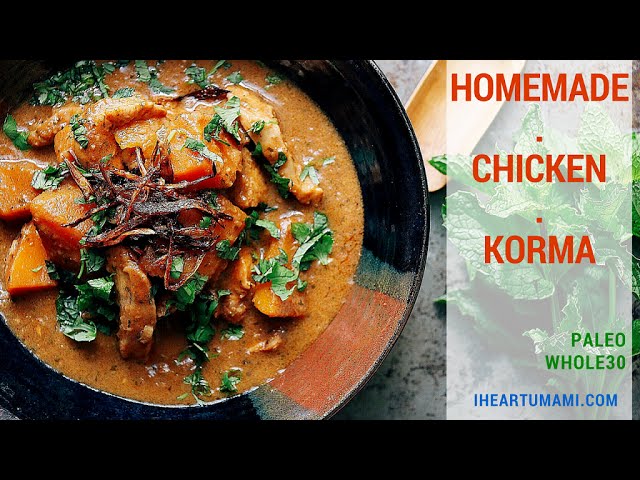
Homemade Chicken Korma — rich, gentle, and worth the simmer
A creamy, spiced chicken curry built the slow-simmered way, without a single shortcut you’ll regret.

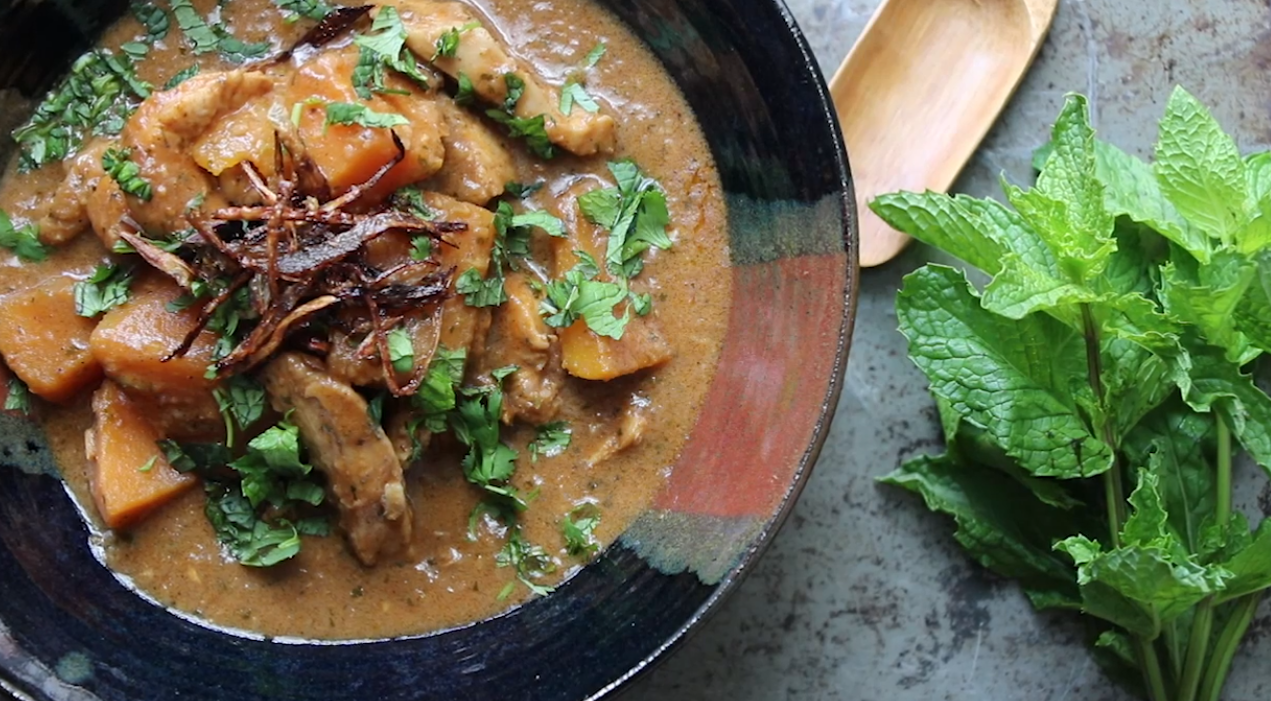
There’s a particular kind of comfort that only a bowl of warm, creamy curry can give you after a long day, and homemade chicken korma sits right at the top of that list. It’s a mild, aromatic chicken curry built on a base of fried onions, yogurt, and a warm blend of whole and ground spices, simmered slowly until the chicken practically falls apart and the sauce turns thick and glossy. No harsh heat, no complicated technique — just layers of flavor that build on each other the longer it cooks.
What makes chicken korma so beloved, especially across South Asian households, is how gentle it is without being bland. The yogurt and cashews give it body and a faint tang, the whole spices perfume the whole pot, and a final hit of garam masala right at the end wakes everything back up. It’s the curry you make for guests who say they “don’t like spicy food,” and it’s the one that disappears fastest at the table anyway.
This version of homemade chicken korma leans on a few small, deliberate moves — browning the onion paste properly, blooming the ground spices in fat before the liquid goes in, and finishing with fresh herbs and a spoonful of cream — that separate a good korma from a forgettable one. None of it is difficult. It just asks for a little patience, and it pays you back in full.
Why This Recipe Works
Chicken korma’s signature creaminess doesn’t come from a shortcut jar of cream — it comes from onions. Frying sliced onions until deeply golden and blending them into a paste gives the sauce natural sweetness and thickness before a single drop of dairy goes in. This step is the backbone of an authentic Indian chicken korma, and skipping it is the single biggest reason home versions taste thin or flat.
The second piece is blooming your ground spices — coriander, cumin, turmeric, and chili — in hot ghee or oil before adding anything wet. Spices are fat-soluble, meaning their flavor compounds release fully only when they hit warm fat, not liquid. A minute or two of stirring the spice paste on its own, the way you’d sizzle a curry base, intensifies the whole pot in a way that stirring powders straight into broth never will.
“A korma isn’t rushed into creaminess — it’s built there, one browned onion and one bloomed spice at a time.”
Finally, yogurt and cashew paste do double duty: they thicken the sauce further and add a subtle tang that balances the richness. Added off direct high heat and stirred in gradually, they stay silky instead of splitting — which is the difference between a smooth chicken korma recipe and one with a grainy, broken sauce.
Tips Before You Start
A few small habits make this easy chicken korma come together smoothly, especially if it’s your first time making it.
- Bring your yogurt to room temperature before adding it to the hot pan. Cold yogurt added straight from the fridge is far more likely to curdle.
- Soak your cashews in warm water for at least 20 minutes so they blend into a truly smooth, lump-free paste rather than a gritty one.
- Slice your onions thin and evenly. Uneven pieces brown unevenly, and a few burnt edges will turn the whole sauce bitter.
Recipe At a Glance
Ingredients
- 2 lbs boneless, skinless chicken thighs (cut into 2-inch pieces) — thighs stay juicy through the long simmer; breast works too but can dry out slightly, so shorten cook time by 5–8 minutes if using breast.
- 2 large yellow onions, thinly sliced — fried and blended, this is what gives the sauce its body and natural sweetness.
- 1/2 cup plain full-fat yogurt, whisked — adds tang and creaminess; Greek yogurt works but thin it with a splash of water first.
- 1/4 cup raw cashews, soaked 20 minutes — blended into the sauce for silkiness; sub blanched almonds if you have a cashew allergy.
- 1 tbsp ginger paste and 1 tbsp garlic paste (or 4–5 cloves garlic and a 2-inch piece ginger, grated) — the aromatic base of almost every Indian curry.
- 1 cinnamon stick, 4 green cardamom pods, 3 cloves, 1 bay leaf — whole spices bloomed in fat first; they perfume the oil before anything else goes in.
- 1 tsp ground coriander, 1 tsp ground cumin, 1/2 tsp turmeric, 1/2–1 tsp red chili powder — the core ground spice blend; adjust chili powder up or down for your spice comfort.
- 1 tsp garam masala, added at the end — added late so its warm, slightly sweet aroma doesn’t cook off during the simmer.
- 3 tbsp ghee or neutral oil — ghee gives a rounder, nuttier flavor; oil is a fine dairy-free swap.
- 1/2 cup water or chicken stock — loosens the sauce to the right consistency; use stock for extra depth.
- 2–3 tbsp heavy cream (optional) — for extra richness at the finish; leave out for a lighter, dairy-lighter version.
- Fresh cilantro and mint, roughly chopped — brightens the richness right before serving.
- Salt, to taste
Equipment Needed
- Heavy-bottomed pot or Dutch oven
- Blender or small food processor
- Sharp knife and cutting board
- Wooden spoon or silicone spatula
- Measuring cups and spoons
Step-by-Step Instructions
- Fry the onions. Heat 2 tablespoons of ghee in your pot over medium heat and add the sliced onions with a pinch of salt. Cook, stirring often, for 12–15 minutes until deeply golden brown — not just softened. This is the color that gives the korma its depth, so don’t rush it. Once cool, blend the onions with a splash of water into a smooth paste.
- Make the cashew paste. Drain the soaked cashews and blend with 2–3 tablespoons of water until completely smooth, with no visible flecks. Set aside.
- Bloom the whole spices. In the same pot, add the remaining ghee. Once warm, add the cinnamon stick, cardamom, cloves, and bay leaf. Let them sizzle for about 30 seconds until fragrant — you’ll know they’re ready when the aroma changes from raw to toasty.
- Add aromatics and ground spices. Stir in the ginger-garlic paste and cook for a minute until the raw smell fades. Add the coriander, cumin, turmeric, and chili powder, and stir constantly for about a minute so the spices toast in the fat rather than burn.
- Add the onion paste. Pour in the blended onion paste and cook for 4–5 minutes, stirring often, until the mixture darkens slightly and the oil starts to separate at the edges. This tells you the base is properly cooked.
- Sear the chicken. Add the chicken pieces and stir to coat thoroughly in the spice base. Cook for 5–6 minutes, turning occasionally, until the outside is sealed and lightly golden.
- Add yogurt gradually. Lower the heat, then add the whisked yogurt one spoonful at a time, stirring continuously between additions. Adding it slowly over low heat is what keeps the sauce smooth instead of curdled.
- Simmer. Stir in the cashew paste and water or stock. Cover and simmer on low for 20–25 minutes, stirring occasionally, until the chicken is fork-tender and the sauce has thickened to coat the back of a spoon.
- Finish the sauce. Stir in the garam masala and cream, if using. Taste and adjust salt. Simmer uncovered for another 2–3 minutes to let everything meld.
- Garnish and serve. Remove from heat, scatter over chopped cilantro and mint, and serve hot with steamed basmati rice or warm naan.
Homemade Chicken Korma
A creamy, mildly spiced Indian chicken curry made with fried onions, yogurt, and cashews.
Ingredients
- 2 lbs boneless chicken thighs, cubed
- 2 large onions, sliced and fried
- 1/2 cup plain yogurt, whisked
- 1/4 cup cashews, soaked
- 1 tbsp ginger paste, 1 tbsp garlic paste
- Cinnamon, cardamom, cloves, bay leaf
- 1 tsp coriander, 1 tsp cumin, 1/2 tsp turmeric, chili powder to taste
- 1 tsp garam masala
- 3 tbsp ghee
- 1/2 cup water or stock
- 2–3 tbsp cream (optional)
- Cilantro, mint, salt
Instructions
- Fry onions until golden; blend into a paste.
- Blend soaked cashews into a smooth paste.
- Bloom whole spices in ghee.
- Add ginger-garlic and ground spices; toast briefly.
- Stir in onion paste; cook until oil separates.
- Sear the chicken in the spice base.
- Add yogurt gradually over low heat.
- Add cashew paste and water; simmer 20–25 min.
- Stir in garam masala and cream; simmer briefly.
- Garnish with herbs and serve hot.
Chef’s Tips
- Fry the onions further than feels natural. Pale golden onions give a pale, thin sauce. Deep golden-brown is what builds real sweetness and color.
- Keep the heat low once yogurt is in. High heat is the main reason yogurt-based sauces split. Low and slow keeps it silky.
- Add garam masala at the end, not the start. It’s a finishing spice — its aroma fades if it simmers too long.
- Rest the curry for 10 minutes before serving. The sauce thickens slightly and the flavors settle together.
- Salt in stages. Season the chicken lightly when searing, then adjust again at the end — the sauce reduces and concentrates as it simmers.
- Double the onion and cashew paste when you cook. Freeze the extra in an ice cube tray so your next chicken korma recipe comes together even faster.
Common Mistakes
Curdled sauce
Why it happens: Yogurt added too quickly or over high heat.
Prevent it: Whisk the yogurt smooth first, lower the heat, and add it a spoonful at a time.
Fix it: Blend the sauce briefly with an immersion blender — it won’t be perfect, but it smooths the texture considerably.
Thin, watery sauce
Why it happens: Onions weren’t cooked long enough, or too much liquid was added at once.
Prevent it: Fry onions until truly golden-brown, and add liquid gradually, checking consistency as you go.
Fix it: Simmer uncovered a few extra minutes to reduce and thicken.
Dry, tough chicken
Why it happens: Overcooking, especially with chicken breast.
Prevent it: Use thighs where possible, and pull the pot off heat as soon as the chicken is fork-tender.
Fix it: Stir in a splash of extra stock and simmer gently for just a few more minutes to soften and rehydrate.
Bitter or burnt undertone
Why it happens: Ground spices scorched in the pan, or onions caught at the edges.
Prevent it: Keep the heat at medium, stir constantly once spices hit the pan, and remove from heat immediately if you smell smoke.
Fix it: Unfortunately, burnt spices can’t be rescued — it’s best to start the base again if this happens early on.
Recipe Variations
Vegetarian
Swap the chicken for paneer or a mix of potatoes and cauliflower, added after the sauce has thickened so they hold their shape.
Gluten-Free
This recipe is naturally gluten-free as written — just double-check your garam masala blend and stock for additives.
Spicy
Increase red chili powder to 1 1/2 teaspoons and add one slit green chili during the simmer for a sharper heat.
Dairy-Free
Replace yogurt with full-fat coconut milk and skip the cream, using oil instead of ghee throughout.
Low Carb
Serve over cauliflower rice instead of basmati, and skip the naan — the curry itself is already low in carbs.
Kid-Friendly
Reduce chili powder to a pinch and lean on the cashew paste and cream for a milder, sweeter-leaning sauce.
Butternut Squash Korma
Stir in a cup of cubed butternut squash along with the chicken — it softens into the sauce and adds a subtle natural sweetness.
Storage & Reheating
Refrigerator: Store in an airtight container for up to 3 days. The flavor actually deepens overnight as the spices continue to settle into the sauce.
Freezer: Cool completely, then portion into freezer-safe containers or bags. Homemade chicken korma freezes well for up to 2 months — just note that cream-finished batches can separate slightly on thawing, so stir well once reheated.
Reheating: Warm gently on the stovetop over low heat with a splash of water or stock to loosen the sauce, stirring occasionally. Avoid high heat or the microwave on full power, both of which can cause the sauce to split.
Meal prep tip: Make the fried onion paste and cashew paste ahead and freeze them separately in ice cube trays — that’s the part of this chicken korma recipe that takes the longest, so having it ready cuts your active time down significantly.
Serving Suggestions
- Steamed basmati rice — its light, fluffy texture soaks up the sauce without competing with it.
- Warm naan or roti — perfect for scooping, and the slight char adds a smoky contrast to the creamy curry.
- Cucumber raita — a cool, tangy side that balances the richness of the korma.
- Simple cabbage or carrot salad — a crunchy, acidic contrast that keeps the meal from feeling too heavy.
- Sparkling water with mint and lime — a refreshing, non-alcoholic pairing that cleanses the palate between bites.
Nutrition Information
Values are estimates per serving (serves 4) and will vary based on exact ingredients and brands used.
Frequently Asked Questions
What is chicken korma, exactly?
Chicken korma is a mild, creamy Indian curry made by braising chicken in a sauce of fried onions, yogurt, cashews or almonds, and warm spices. It’s known for being rich but gentle on heat compared to other curries.
Is homemade chicken korma very spicy?
Not typically. Traditional korma is closer to mild-to-medium, relying more on warmth from whole spices than heat from chili. You can always adjust the chili powder up or down to suit your taste.
Can I make chicken korma without cashews?
Yes — blanched almonds work as a near-identical substitute, or you can use a couple tablespoons of smooth peanut butter for a slightly different but still creamy result.
Why did my chicken korma turn out watery?
This usually means the onions weren’t fried long enough before blending, or too much liquid was added too quickly. Simmering uncovered for a few extra minutes will help it reduce and thicken.
Can I use chicken breast instead of thighs?
Yes, though thighs stay more tender through the simmer. If using breast, reduce the final simmer time by 5–8 minutes to avoid drying it out.
How do I make this chicken korma recipe dairy-free?
Replace the yogurt with full-fat coconut milk, use oil instead of ghee, and skip the cream at the end. The texture stays creamy thanks to the cashew paste.
Can I prepare this in a slow cooker?
Yes. Complete the onion-frying and spice-blooming steps on the stovetop first, then transfer everything to a slow cooker and cook on low for 4–5 hours, stirring in the cashew paste and cream during the final 30 minutes.
What’s the difference between chicken korma and chicken curry?
Korma refers specifically to a braising method using yogurt or cream and nut-based thickeners, resulting in a milder, creamier sauce. “Curry” is a broader term that can include tomato-based, coconut-based, or drier preparations.
Can I freeze chicken korma?
Yes, it freezes well for up to 2 months in an airtight container. Thaw overnight in the fridge and reheat gently on the stovetop, stirring well since the sauce may separate slightly.
What rice pairs best with korma?
Plain steamed basmati rice is the classic pairing — its light texture lets the sauce take center stage without adding competing flavors.
Why do you add garam masala at the end instead of the beginning?
Garam masala is a finishing spice blend with delicate, aromatic notes that fade with long cooking. Adding it in the last few minutes preserves its fragrance.
Final Thoughts on Homemade Chicken Korma
Once you’ve made homemade chicken korma from scratch, it’s hard to go back to the jarred versions — the depth you get from properly fried onions and freshly bloomed spices just isn’t something a shortcut can replicate. It takes a bit more time than a weeknight stir-fry, but most of that time is hands-off simmering, not active work.
This is the kind of chicken korma recipe worth keeping close: forgiving enough for a first attempt, but layered enough to become a regular request once your household tastes it. Save this page, and the next time you need a warm, unhurried dinner, you’ll already know exactly where to find it.