
Make Ahead Freezer Meals Breakfast: Freezer Oatmeal Cups (plus 7 more to stash away)
A grab-and-go oatmeal cup recipe, and a full roundup of make ahead freezer meals breakfast ideas worth keeping stocked.

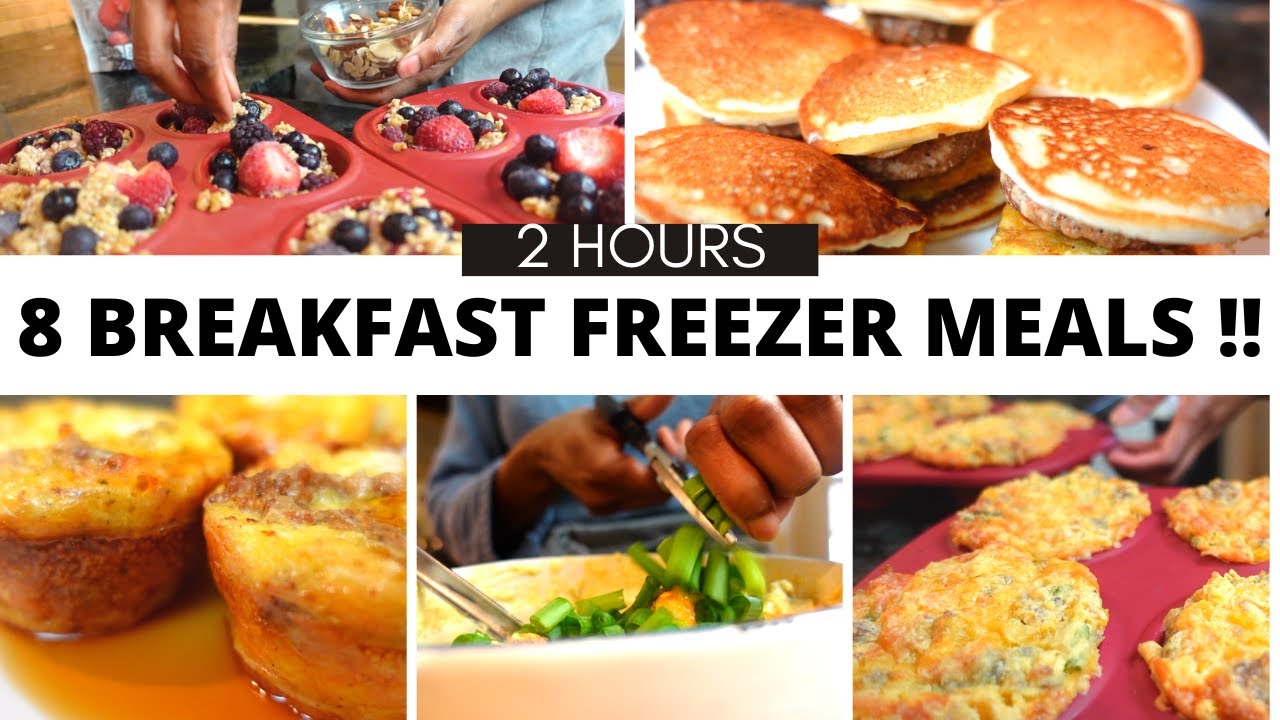
The idea behind make ahead freezer meals breakfast is straightforward: cook once, portion it out, and let the freezer do the work of “meal prep” for the rest of the week. Freezer oatmeal cups are one of the simplest ways to do that — cooked oats mixed with fruit, nuts, and a little sweetness, frozen in muffin-sized portions, then reheated with hot water or milk in under a minute.
People come back to this style of breakfast because it solves a real problem: mornings when there’s no time to cook, but a bowl of cold cereal isn’t going to hold anyone over until lunch. A cup of oatmeal that’s already portioned and just needs heating fills that gap without requiring any actual cooking on a rushed morning.
It’s also a genuinely useful option if you’re stocking a freezer ahead of a busy season — new parents, a demanding work stretch, or just a household that runs on tight mornings. If that’s the goal, oatmeal cups pair well with other freezer breakfast meals for new moms, since both are built around minimal effort at the moment you actually eat them.
Below is the full oatmeal cup recipe, followed by seven more make ahead freezer meals breakfast ideas — egg muffins, a portable pancake-wrapped sausage, and a few others — worth adding into rotation.
Why This Recipe Works
Oatmeal doesn’t freeze and reheat as cleanly as you’d expect straight out of the pot — it can turn gluey or separate. Chilling the cooked oatmeal for an hour or two before portioning solves most of that. As it cools, the starches firm up and the mixture holds its shape well enough to pack into a muffin tin without slumping, which also makes it much easier to portion evenly.
Using a silicone muffin tin rather than a metal one matters more than it seems like it should. Frozen oatmeal grips metal and can be a fight to remove in one piece; silicone flexes enough that the cups pop out clean, which keeps you from needing a struggle session with a butter knife at 6 a.m.
Mixing in the wheat germ, quinoa, dried fruit, and spices while the oats are still warm — rather than after they’ve cooled and firmed — lets everything distribute evenly instead of clumping in one spot. This is the same logic that makes any batch-cooked, grab-and-go breakfast come out consistent from portion to portion.
Don’t freeze oatmeal straight from the pot — chill it first. A firm base is what lets it hold its shape as a cup instead of turning into oatmeal soup.
Tips Before You Start
A few decisions before you start cooking will save you some frustration later.
Cook your oats using whichever method you already use for a regular bowl of oatmeal — stovetop, microwave, or a pressure cooker all work, since it’s really just the finished, cooked oats that matter here, not the cooking method.
Add-ins are genuinely flexible. Wheat germ and quinoa are optional nutrition boosters, not essential structural ingredients, so leave them out if you don’t have them on hand and use whatever dried fruit and nuts happen to be in your pantry.
Recipe at a Glance
Ingredients
- 2 cups dry rolled or old-fashioned oats — the base of the recipe; quick oats or steel-cut oats work too, cooked according to their own package directions.
- Water or milk, for cooking — follow your oats’ usual liquid ratio. Milk adds creaminess; water keeps it lighter and dairy-free.
- 2 tablespoons wheat germ (optional) — stirred in for extra nutrients; leave it out if you don’t have it.
- 2 tablespoons cooked quinoa (optional) — adds a little protein and texture; skip it without affecting the rest of the recipe.
- 1 teaspoon vanilla extract — rounds out the flavor.
- 1 teaspoon ground cinnamon — warmth and flavor; increase to taste.
- 2–3 tablespoons brown sugar — adjust up or down depending on how sweet you like your oatmeal, or swap in honey or maple syrup.
- ⅓ cup dried fruit, chopped — craisins are used in the original method; raisins or chopped dried apricots work too.
- 2–3 dates, chopped — adds natural sweetness and a chewy texture.
- ½ cup frozen fruit — pressed into the tops before freezing; berries hold their shape well.
- ¼ cup chopped nuts — almonds and pecans are used in the original; walnuts work too, or omit for a nut-free version.
Equipment Needed
- Saucepan or pot for cooking oats
- Mixing bowl
- Airtight container, for chilling the oatmeal before portioning
- Silicone muffin tin (makes removal after freezing much easier)
- Freezer bag or airtight container, for long-term storage
- Wide-mouth jar and silicone jar sleeve, for reheating on the go (optional)
Step-by-Step Instructions
- Cook the oats. Prepare the oats using your usual method — stovetop or microwave — until tender. Cook time will depend on the type of oats you use.
- Stir in the mix-ins while warm. While the oats are still warm, stir in the wheat germ, quinoa, vanilla, cinnamon, brown sugar, dried fruit, and dates. Mixing while warm helps everything distribute evenly instead of clumping.
- Chill to firm up. Transfer the oatmeal to a container and refrigerate for 1–2 hours. This step matters — it firms the mixture up enough to hold its shape once portioned.
- Portion into the muffin tin. Once firmed, divide the oatmeal evenly among the cups of a silicone muffin tin, pressing down gently to pack each one.
- Top with fruit and nuts. Press a few pieces of frozen fruit into the top of each cup, then scatter chopped nuts over the top.
- Freeze until solid. Place the tin in the freezer, uncovered, for a minimum of 4 hours, or up to overnight.
- Pop out and bag. Once frozen solid, flex the silicone tin to release each cup, then transfer them to a freezer bag or airtight container for longer storage.
- Reheat when ready. Drop one or two frozen cups into a heatproof bowl or wide-mouth jar, add hot water or milk to loosen, and microwave until warmed through.
Freezer Oatmeal Cups
Cooked oats mixed with fruit, nuts, and warm spices, frozen in single-serve portions for a fast, make ahead freezer breakfast.
Ingredients
- 2 cups dry oats, cooked
- 2 tbsp wheat germ (optional)
- 2 tbsp cooked quinoa (optional)
- 1 tsp vanilla extract
- 1 tsp ground cinnamon
- 2–3 tbsp brown sugar
- ⅓ cup dried fruit, chopped
- 2–3 dates, chopped
- ½ cup frozen fruit
- ¼ cup chopped nuts
Instructions
- Cook oats until tender.
- Stir in mix-ins while warm.
- Chill 1–2 hours to firm up.
- Portion into a silicone muffin tin.
- Top with fruit and nuts.
- Freeze uncovered 4+ hours.
- Pop out and bag for storage.
Chef’s Tips
- Stretch your eggs across other freezer breakfasts. If a recipe calls for several eggs and you’re running low, add about a tablespoon or two of milk per egg to stretch the mixture without changing the texture much.
- Swap cheese and meat freely. Across most freezer breakfast recipes, cheddar can become mozzarella, and pork sausage or ham can become turkey — or be left out entirely for a vegetarian version.
- Double or triple the batch the first time. Once you know a recipe works for your household, making a bigger batch means the next round of meal prep is much less work.
- Flash-freeze individual portions before bagging. Let cups or muffins cool, freeze them separately on a plate or tray first, then transfer to one bag once solid — this keeps them from freezing into one solid clump.
- Use freezer baskets to stay organized. Dedicating one basket or bin to breakfast items makes it easy for anyone in the house to grab something without digging through the whole freezer.
- Save rendered fat for later. If a recipe involves bacon or sausage, save the drained grease — covered, it keeps on the counter for a couple of weeks and works well for greasing muffin tins in other recipes.
Common Mistakes
Freezing oatmeal straight from the pot
Why it happens: It feels efficient to skip the chilling step.
How to prevent it: Refrigerate the cooked oatmeal for 1–2 hours before portioning so it firms up enough to hold its shape.
How to fix it: If it’s already portioned too loose, freeze it anyway — it’ll still work reheated, just with a slightly less defined shape.
Using a metal muffin tin
Why it happens: It’s often the only muffin tin on hand.
How to prevent it: Use silicone if you have it — the cups release far more easily once frozen solid.
How to fix it: With metal, run the bottom of the tin under warm water for a few seconds to loosen the cups before popping them out.
Skipping the flash-freeze step before bagging
Why it happens: Bagging everything at once feels faster.
How to prevent it: Freeze portions individually on a tray first, then transfer to one bag once solid.
How to fix it: If they’ve already clumped together, let the bag sit at room temperature for a few minutes until you can separate the pieces.
Over-sweetening before tasting
Why it happens: It’s easy to add sugar by habit rather than by taste.
How to prevent it: Start with the lower end of the brown sugar range and taste the warm oatmeal before freezing — you can’t easily adjust it after the fact.
How to fix it: If a batch turns out too sweet, balance it at reheating time with a splash of unsweetened milk.
Recipe Variations
- Vegetarian: This recipe is naturally vegetarian as written — no changes needed.
- Gluten-Free: Use certified gluten-free oats, since standard oats are often processed in facilities that also handle wheat.
- Spiced (in place of Spicy): Oatmeal doesn’t take well to chili heat, but a chai-style blend of cinnamon, ginger, and a pinch of cardamom gives it a warming kick instead.
- Dairy-Free: Cook the oats in water or a plant-based milk instead of dairy milk — the rest of the recipe is already dairy-free.
- Low Carb: Oats are inherently carb-heavy, so a true low-carb version isn’t a great fit here. Reducing the brown sugar and dried fruit, and adding extra nuts, will bring the carb count down somewhat without eliminating it.
- Kid-Friendly: Swap the dates for mini chocolate chips and reduce the cinnamon slightly for a milder, more familiar flavor.
- Protein-Boosted: Stir in a spoonful of nut butter along with the other mix-ins, or add a scoop of unflavored or vanilla protein powder to the warm oats before chilling.
7 More Make Ahead Freezer Meals Breakfast Ideas
Oatmeal cups are one option among many. Here are seven more freezer breakfast ideas worth having in rotation, especially if you’re stocking up before a busy stretch or just trying to get ahead on weekday mornings.
Cornbread Sausage & Egg Muffins
Browned breakfast sausage and scrambled eggs folded into a from-scratch cornbread batter with creamed corn, cheese, and green onions, baked in a muffin tin at 400°F for about 30 minutes. We’ve written up the full method separately — see the cornbread sausage and egg muffins recipe for exact quantities and steps.
Pancake-Batter Sausage Sticks
Fully cooked sausage links are skewered on wooden sticks, dipped in a thick pancake batter, and pan-fried until golden — a homemade take on the corn-dog-style breakfast sausages sold in the freezer aisle, at a fraction of the cost. They freeze and reheat quickly, and dip well in maple syrup.
Green Eggs and Ham Muffins
Chopped or blended spinach mixed into beaten eggs with cheese, milk, and chopped ham or bacon, baked at 400°F for about 20 minutes. The spinach turns the eggs a vivid green without adding much flavor, which tends to work well with picky eaters.
Hash Brown & Bacon Egg Muffins
Shredded hash browns (fresh or frozen) pressed into a muffin tin, topped with cooked bacon and a beaten egg mixture, then baked until set. A sturdy, protein-and-carb combination that reheats well straight from frozen.
Waffle Egg Muffins
Mini waffles nestled into a greased muffin tin, topped with a seasoned egg, milk, and Parmesan mixture and a spoonful of cooked sausage, then baked. A fun way to combine two breakfast staples into one bite-sized cup.
Freezer Breakfast Sandwiches
Small pancakes stand in for bread around scrambled eggs and cooked sausage, assembled into sandwiches and frozen individually. Reheated in the microwave, they travel well — a coffee filter wrapped around each one keeps things tidy without using plastic.
Spaghetti Squash Hash Brown Cups
Roasted spaghetti squash strands stand in for shredded potato, pressed into a muffin tin and topped with chopped ham, egg, and cheese before baking. The squash flavor is mild enough that it’s a genuinely easy way to work a vegetable into breakfast without anyone noticing.
Storage & Reheating
Refrigerator: Cooked oatmeal (before portioning and freezing) keeps in the fridge for up to 4–5 days in an airtight container.
Freezer: Once frozen solid and bagged, oatmeal cups keep well for up to 3 months. Most of the egg-based muffins in the roundup above freeze similarly well — generally 3 to 4 months, depending on the ingredients used [VERIFY exact shelf life for each specific roundup recipe against USDA freezer storage guidance].
Best reheating method: Drop frozen oatmeal cups into a heatproof bowl or wide-mouth jar, add hot water or milk to loosen, and microwave in short bursts, stirring in between. For egg-based muffins, a straight 60–90 second microwave reheat from frozen usually does the job.
Shelf life summary: Refrigerated, 4–5 days. Frozen, up to 3 months for the best texture.
Meal prep tip: Pick one weekend morning to batch-cook a double recipe, flash-freeze individual portions, then bag everything together — that one session can cover two to three weeks of breakfasts.
Serving Suggestions
- A splash of milk or plant milk — loosens the reheated oatmeal to your preferred consistency.
- Fresh fruit on top — adds texture and brightness the frozen fruit alone doesn’t fully provide.
- A drizzle of nut butter — adds protein and richness, especially useful if breakfast needs to hold you over longer.
- Coffee or tea — the warm spice profile in the oatmeal pairs naturally with either.
- A protein smoothie on the side — for a heartier combined breakfast, especially useful alongside the lighter oatmeal cups; see these protein breakfast shakes for ideas.
Nutrition Information
Calculated per oatmeal cup (12 cups total) from the exact ingredient quantities listed above, using standard USDA-type reference values for rolled oats, dried fruit, nuts, and sweeteners.
The biggest source of variation here is the dried fruit and brown sugar — cutting either back, or swapping in a sugar-free dried fruit, will noticeably lower the sugar and carbohydrate counts. The nuts you choose will also shift the fat and protein numbers somewhat depending on type and quantity. If you add optional protein powder or nut butter as suggested in the variations, recalculate based on the specific product you use, since those vary widely brand to brand.
These values are estimates based on typical ingredient data, not a lab analysis of this specific batch. Actual nutrition will vary depending on the exact brands, fruit, and nuts you use.
Frequently Asked Questions
- Can I skip the chilling step and freeze the oatmeal right away?
You can, but the cups will hold their shape less well since the oatmeal hasn’t had time to firm up. Chilling for at least an hour makes portioning and freezing far more consistent.
- Do I have to use a silicone muffin tin?
No, but it makes removal much easier once the cups are frozen solid. With a metal tin, running warm water briefly over the bottom will help loosen them.
- How long do freezer oatmeal cups actually last?
Up to about 3 months in the freezer when stored in an airtight bag or container, though they’re generally best within the first couple of months for texture.
- What’s the best way to reheat them?
Drop one or two frozen cups into a heatproof bowl or jar, add hot water or milk to loosen, and microwave in short bursts, stirring between each.
- Can I make these without wheat germ or quinoa?
Yes — both are optional nutrition add-ins, not structural ingredients. The recipe works fine without them.
- Can I use steel-cut oats instead of rolled oats?
Yes, though steel-cut oats take longer to cook and produce a chewier texture. Cook them fully before mixing in the other ingredients.
- Are these a good option to freeze ahead of a baby’s arrival?
Yes — they’re low-effort to reheat one-handed and freeze well in advance, which makes them a solid addition to a postpartum breakfast freezer meal stash.
- Can I substitute the meat in the egg muffin recipes in the roundup?
Yes. Turkey sausage or turkey bacon work as substitutes across most of these recipes, or the meat can be left out entirely for a vegetarian version.
- Why did my oatmeal cups turn out mushy after reheating?
This usually comes down to using too much liquid when reheating. Add hot water or milk gradually, checking the consistency as you go, rather than pouring in a large amount at once.
- Can I double this recipe?
Yes — cook the oats in a larger batch and use two muffin tins, or freeze in batches if you only have one tin on hand.
- What’s the best way to organize a freezer full of make-ahead breakfasts?
Dedicating one basket or bin specifically to breakfast items makes it much easier for everyone in the household to grab something without searching through the whole freezer.
Watch How It’s Made
Final Thoughts
Freezer oatmeal cups are a small, low-effort addition to any make ahead freezer meals breakfast rotation — cheap, flexible with whatever fruit and nuts you have on hand, and ready in under a minute on a morning when that’s all the time you’ve got.
Paired with a few of the egg-based options in the roundup above, you’ve got enough variety to avoid breakfast fatigue while still keeping mornings simple. Worth bookmarking if you’re planning to stock the freezer ahead of a busy season, a new baby, or just a demanding month at work.
Once you’ve made a batch or two, you’ll get a feel for how much sweetness, fruit, and mix-ins work best for your household — and from there, doubling the recipe makes future prep sessions even faster.
Make Ahead Freezer Meals Breakfast: Freezer Oatmeal Cups
Ingredients
- 2 cups dry rolled or old-fashioned oats — the base of the recipe; quick oats or steel-cut oats work too, cooked according to their own package directions.
- Water or milk, for cooking — follow your oats' usual liquid ratio. Milk adds creaminess; water keeps it lighter and dairy-free.
- 2 tablespoons wheat germ (optional) — stirred in for extra nutrients; leave it out if you don't have it.
- 2 tablespoons cooked quinoa (optional) — adds a little protein and texture; skip it without affecting the rest of the recipe.
- 1 teaspoon vanilla extract — rounds out the flavor.
- 1 teaspoon ground cinnamon — warmth and flavor; increase to taste.
- 2 –3 tablespoons brown sugar — adjust up or down depending on how sweet you like your oatmeal, or swap in honey or maple syrup.
- ⅓ cup dried fruit, chopped — craisins are used in the original method; raisins or chopped dried apricots work too.
- 2 –3 dates, chopped — adds natural sweetness and a chewy texture.
- ½ cup frozen fruit — pressed into the tops before freezing; berries hold their shape well.
- ¼ cup chopped nuts — almonds and pecans are used in the original; walnuts work too, or omit for a nut-free version.
Instructions
- 2 cups dry rolled or old-fashioned oats — the base of the recipe; quick oats or steel-cut oats work too, cooked according to their own package directions.
- Water or milk, for cooking — follow your oats' usual liquid ratio. Milk adds creaminess; water keeps it lighter and dairy-free.
- 2 tablespoons wheat germ (optional) — stirred in for extra nutrients; leave it out if you don't have it.
- 2 tablespoons cooked quinoa (optional) — adds a little protein and texture; skip it without affecting the rest of the recipe.
- 1 teaspoon vanilla extract — rounds out the flavor.
- 1 teaspoon ground cinnamon — warmth and flavor; increase to taste.
- 2–3 tablespoons brown sugar — adjust up or down depending on how sweet you like your oatmeal, or swap in honey or maple syrup.
- ⅓ cup dried fruit, chopped — craisins are used in the original method; raisins or chopped dried apricots work too.
- 2–3 dates, chopped — adds natural sweetness and a chewy texture.
- ½ cup frozen fruit — pressed into the tops before freezing; berries hold their shape well.
- ¼ cup chopped nuts — almonds and pecans are used in the original; walnuts work too, or omit for a nut-free version.