
Freezer Breakfast Meals Casseroles: A Ham & Cheddar Egg Bake worth stashing ahead
A make-ahead egg casserole built for busy mornings, meal prep, and the freezer breakfast meals casseroles category you keep coming back to.

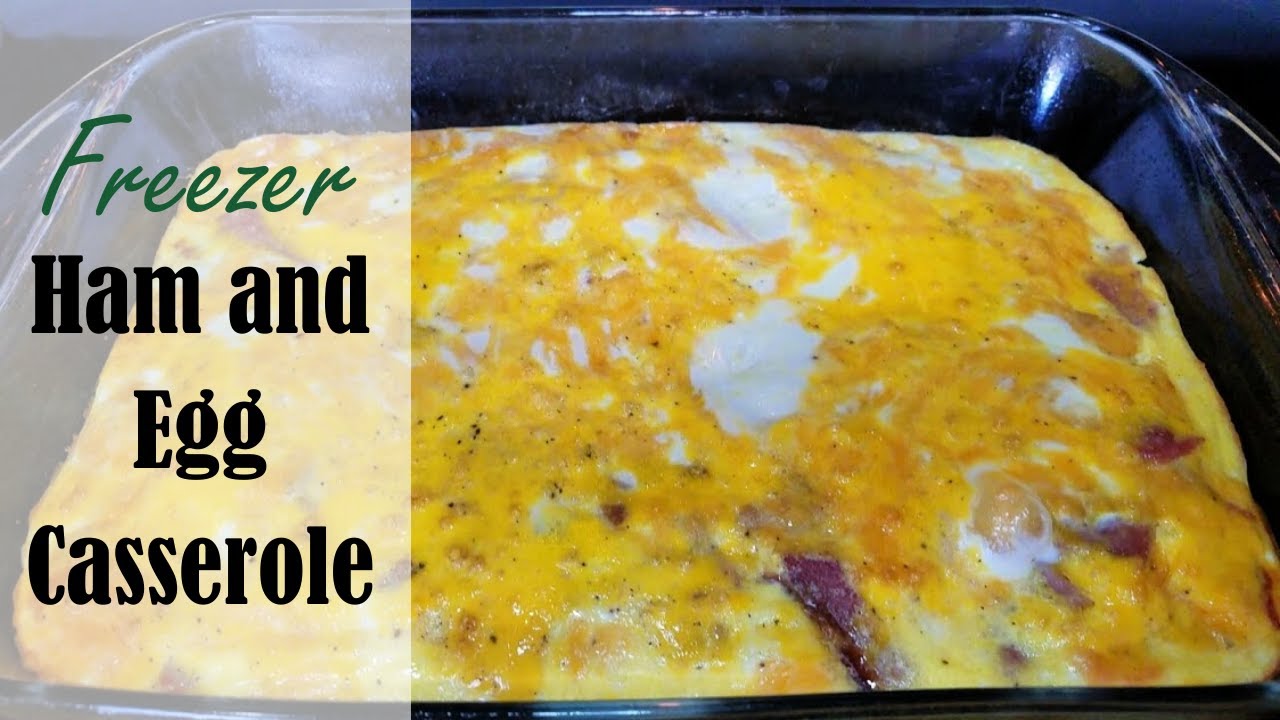
If you’ve ever stood in front of the freezer at 6:45 a.m. wishing something warm and filling was already in there, this recipe solves that problem. It’s a ham and cheddar egg casserole, baked once and portioned out so it becomes one of the most useful freezer breakfast meals casseroles you can keep on hand — no assembly required on the morning you actually eat it.
The appeal is pretty simple: eggs, cheese, and ham bake into a dense, savory custard that reheats without turning rubbery or watery, as long as you follow a few key steps. It holds its texture in the freezer better than a lot of egg dishes do, which is part of why it’s become a staple for people building out a freezer breakfast stash for genuinely hectic weeks.
It’s also a natural landing spot for leftover holiday ham. If you’re staring down a spiral-cut ham from Christmas or Easter with no plan for the rest of it, dicing a cup of it into this casserole is a much better outcome than letting it go stale in the back of the fridge.
And because it’s built on eggs, cheese, and protein rather than bread or potatoes, it works just as well reheated for dinner with a side salad as it does served with fruit at breakfast.
Why This Recipe Works
The core idea behind any freezer-friendly egg casserole is controlling moisture. Eggs and cheese both hold water, and when that water refreezes and thaws, it wants to separate out — which is what leaves a lot of frozen egg dishes watery or spongy once reheated. This recipe manages that in two ways: the tablespoon of flour mixed into the ham and cheese layer helps bind loose moisture as it bakes, and baking the eggs fully before freezing (rather than freezing them raw) means the protein structure is already set before the freeze-thaw cycle happens.
Layering matters too. The ham, cheddar, and Parmesan go into the dish first, and the whisked egg mixture is poured over the top. As it bakes, the eggs settle around and between the ham and cheese rather than everything blending into a single uniform mush, which is part of why each bite has distinct pockets of melted cheese and savory ham instead of a flat, homogeneous texture.
Dijon mustard is doing more work here than its small quantity suggests. A single tablespoon adds acidity and a mild sharpness that cuts through the richness of two cups of cheddar and a dozen eggs, so the finished casserole doesn’t taste flat or heavy — a trick worth remembering for any egg-based batch cooking you do in the future.
Bake the eggs fully before you freeze them — a set egg holds its structure through a freeze-thaw cycle far better than a raw one ever will.
Tips Before You Start
A few small decisions up front make the difference between a casserole that reheats beautifully and one that turns rubbery or watery.
First, decide how you want to freeze it before you bake it. If you know you’ll want individual grab-and-go portions, plan to cut the casserole into six pieces once it’s cooled and freeze them separately in airtight containers. If you’d rather freeze the whole thing and thaw it as one dish for a family breakfast, a foil pan makes it easy to go straight from freezer to oven.
Second, let the casserole cool completely — not just “not hot,” but fully cooled to room temperature — before wrapping or freezing any portion of it. Wrapping warm food traps steam, and that trapped moisture is exactly what causes ice crystals and a soggy texture later.
Recipe at a Glance
Ingredients
- 1 cup diced cooked ham — leftover holiday ham works great here; deli ham or cooked breakfast sausage crumbles are both easy substitutes.
- 2 cups shredded cheddar cheese — grate a block yourself if you can. Pre-shredded cheese is coated in anti-caking starch that keeps it from melting as smoothly.
- ¼ cup grated Parmesan cheese — adds a salty, savory depth. You can leave it out, but the casserole will taste a bit flatter.
- 1 tablespoon all-purpose flour — helps bind moisture so the casserole holds together better through freezing and reheating. Swap in a 1:1 gluten-free flour blend if needed.
- 1 teaspoon garlic powder — built-in seasoning for the ham and cheese layer. Fresh minced garlic works too, though it can release a bit more moisture.
- Black pepper — a few shakes, split between the cheese layer and the egg mixture.
- 12 large eggs — the structural base of the casserole and its main protein source.
- 1 cup whole milk — adds creaminess to the eggs. Half-and-half makes it richer; unsweetened plant milk works for a dairy-lighter version, though the texture will be a touch less custardy.
- 1 tablespoon Dijon mustard — cuts the richness of the eggs and cheese with a bit of tang.
Equipment Needed
- Large mixing bowl
- Whisk
- 9×13-inch casserole dish (or disposable foil pan for easier freezer-to-oven use)
- Measuring cups and spoons
- Box grater, if shredding your own cheese
- Airtight freezer containers or heavy-duty foil, for portioned freezing
Step-by-Step Instructions
- Preheat the oven to 350°F and lightly grease a 9×13-inch casserole dish so nothing sticks once the eggs set.
- Combine the ham and cheese layer. In a large bowl, stir together the diced ham, cheddar, Parmesan, flour, garlic powder, and a few shakes of pepper until evenly coated. The flour should look like it’s lightly dusting everything rather than clumping.
- Spread it in the dish. Press the ham and cheese mixture evenly across the bottom of the prepared casserole dish.
- Whisk the egg mixture. In a separate bowl, crack in the 12 eggs, then add the milk, Dijon mustard, and a few more shakes of pepper. Whisk until fully combined and no streaks of egg white remain.
- Pour and bake. Pour the egg mixture evenly over the ham and cheese layer. Bake at 350°F for about 35 minutes, until the eggs are fully set and no longer jiggle in the center.
- Check for doneness. Insert a knife into the center — it should come out clean, with no wet egg clinging to it. If it doesn’t, give it another 3–5 minutes and check again.
- Cool completely. Let the casserole cool to room temperature before cutting or freezing — this can take about an hour. Skipping this step traps steam and leads to a soggier reheat later.
- Freeze your way. Freeze the casserole whole in a foil pan for a family-style reheat, or cut it into six portions and freeze them individually in airtight containers for grab-and-go mornings.
Ham & Cheddar Freezer Breakfast Casserole
A make-ahead egg casserole layered with ham, cheddar, and Parmesan — baked once, frozen in portions, and reheated on demand.
Ingredients
- 1 cup diced cooked ham
- 2 cups shredded cheddar cheese
- ¼ cup grated Parmesan cheese
- 1 tbsp all-purpose flour
- 1 tsp garlic powder
- Black pepper, to taste
- 12 large eggs
- 1 cup whole milk
- 1 tbsp Dijon mustard
Instructions
- Preheat oven to 350°F; grease a 9×13 dish.
- Mix ham, cheeses, flour, garlic powder, and pepper; spread in the dish.
- Whisk eggs, milk, mustard, and pepper; pour over the ham layer.
- Bake 35 minutes, until set and a knife comes out clean.
- Cool completely, then freeze whole or in 6 portions.
Chef’s Tips
- Grate your own cheese. Freshly shredded cheddar melts more evenly than pre-shredded because it isn’t coated in anti-caking starch.
- Grease the dish generously. Egg casseroles stick more than you’d expect, especially once they’ve been through a freeze-thaw cycle.
- Slightly undercook if you plan to freeze and reheat. Pulling it at the low end of the bake time (around 33–35 minutes) leaves a little buffer, since reheating will finish the cooking.
- Label everything. Write the freeze date on each container — this casserole holds up well in the freezer, but you’ll still want to track how long it’s been in there.
- Cut portions before freezing, not after. Trying to slice a frozen casserole is far harder than portioning it while it’s still soft.
- Use airtight containers for individual portions. Loosely wrapped pieces are far more prone to freezer burn than a sealed container.
Common Mistakes
Freezing it while still warm
Why it happens: It’s tempting to freeze leftovers right away to save time.
How to prevent it: Let the casserole cool fully to room temperature first — about an hour.
How to fix it: If it’s already frozen warm, expect more moisture on reheating; blot portions with a paper towel before microwaving.
Using pre-shredded cheese
Why it happens: It’s more convenient than grating a block.
How to prevent it: Buy a block of cheddar and shred it yourself for a smoother melt.
How to fix it: If that’s what you have, it still works — just expect a slightly less creamy texture.
Skipping the flour
Why it happens: One tablespoon feels easy to overlook or leave out.
How to prevent it: Measure it in with the ham and cheese — it’s doing real work binding moisture.
How to fix it: If you forgot it, the casserole will still bake fine but may release more liquid after freezing.
Overbaking the eggs
Why it happens: Ovens vary, and it’s easy to leave it in a few minutes too long “to be safe.”
How to prevent it: Start checking at 33 minutes with a knife test; pull it as soon as it comes out clean.
How to fix it: An overbaked casserole turns rubbery — adding a splash of milk when reheating helps soften it slightly.
Freezing it as one giant block when you wanted grab-and-go portions
Why it happens: Cutting and portioning takes a few extra minutes you might skip when you’re tired.
How to prevent it: Decide before you bake whether you want whole-pan or individual freezing, and portion it right after it cools.
How to fix it: A frozen whole casserole can still be thawed and cut, it just takes more advance planning the night before.
Recipe Variations
- Vegetarian: Skip the ham and use sautéed spinach, mushrooms, and bell peppers instead — cook off any extra moisture from the vegetables first so the casserole doesn’t turn watery.
- Gluten-Free: Swap the tablespoon of all-purpose flour for a 1:1 gluten-free blend or a teaspoon of cornstarch. For another gluten-free freezer option, this gluten-free tater tot casserole is worth a look too.
- Spicy: Add diced jalapeños to the ham layer, swap in pepper jack for some of the cheddar, and stir a dash of hot sauce into the egg mixture.
- Dairy-Free: Use dairy-free shredded cheese and unsweetened plant milk in place of dairy milk. The texture will be a bit less rich and custardy, but it still holds together well.
- Low Carb: This recipe is already fairly low in carbohydrates — roughly 6g per serving. For a keto-friendlier version, replace the flour with a small pinch of xanthan gum or a tablespoon of almond flour.
- Kid-Friendly: Leave out the Dijon mustard, or reduce it to a teaspoon, and stick with a mild cheddar. Cutting the cooled casserole into fun shapes with a cookie cutter makes it more appealing to younger eaters.
- Cornbread-Topped: Pour a thin layer of prepared cornbread batter over the egg mixture before baking for a heartier, dinner-leaning version — similar in spirit to these cornbread sausage egg muffins.
Storage & Reheating
Refrigerator: Baked casserole keeps well in an airtight container in the fridge for up to 4 days.
Freezer: Freeze the whole casserole in a foil pan, tightly wrapped, or cut it into 6 portions and freeze in individual airtight containers. Either way, it holds up well for about 2–3 months [VERIFY exact maximum freezer window against your freezer’s temperature consistency].
Reheating from frozen: For individual portions, microwave for 2–3 minutes, checking halfway through. For the whole casserole, cover with foil and reheat in a 350°F oven for 25–30 minutes, or until warmed through in the center.
Reheating from thawed: If you move a portion to the fridge the night before, it’ll reheat faster — about 60–90 seconds in the microwave.
Meal prep tip: Bake on a Sunday, portion into six containers, and you’ve got weekday breakfasts covered without touching a stove again until the following weekend.
Serving Suggestions
- Fresh fruit — berries, melon, or citrus add brightness and balance out the richness of the eggs and cheese.
- Whole grain toast — a simple way to round the plate out with some fiber.
- A side salad — turns the casserole into a satisfying breakfast-for-dinner plate, the way it was originally used.
- A protein smoothie — if mornings are especially rushed, pairing a slice with a quick protein smoothie stretches the meal further.
- Coffee or tea — the mustard and Parmesan give the casserole enough savory depth to stand up well against a strong cup of coffee.
Nutrition Information
Calculated per serving (6 servings total) from the exact ingredients and quantities listed above, using standard USDA-type reference values for whole eggs, whole milk, sharp cheddar, Parmesan, and deli-style cooked ham.
The two biggest sources of variation here are the ham and the cheddar cheese. Deli ham, holiday spiral-cut ham, and Canadian bacon all carry meaningfully different sodium and fat levels, and sharp cheddar versus a milder cheddar or a different cheese entirely will shift both fat and sodium as well. If you’re tracking sodium closely, this is the ingredient to check against your specific product’s label.
These values are estimates based on typical ingredient data, not a lab analysis of this specific batch. Actual nutrition will vary depending on the exact brands, ham type, and cheese you use.
Frequently Asked Questions
- Can I freeze the egg mixture raw, before baking?
This recipe is designed to be baked first, then frozen. Freezing raw egg custard isn’t something this method covers, and baked, set eggs hold their texture through freezing far more reliably.
- How long does this casserole last in the freezer?
About 2–3 months when tightly wrapped or stored in an airtight container. It’s best eaten within that window for the best texture and flavor.
- What’s the best way to reheat a frozen portion?
Microwave individual portions for 2–3 minutes, checking halfway through. For the whole casserole, cover with foil and bake at 350°F for 25–30 minutes.
- Can I double this recipe?
Yes — use two 9×13 dishes rather than one larger pan, since a deeper egg layer takes noticeably longer to set evenly in the center.
- Can I use egg whites instead of whole eggs?
You can substitute part of the eggs with egg whites to lighten the dish, though the texture will be a bit less rich. An exact swap ratio isn’t something this recipe was tested with, so adjust gradually and check the bake time.
- Which cheese melts best in this casserole?
Sharp cheddar is the classic choice and melts smoothly, especially if freshly grated. Monterey Jack or a Mexican cheese blend are both good substitutes.
- Can I make this dairy-free?
Yes, using dairy-free shredded cheese and unsweetened plant milk. The texture will be slightly less custardy than the dairy version.
- Is this a good option for a postpartum freezer stash?
Yes — it’s high in protein, reheats in a couple of minutes, and can be portioned for one-handed eating. It pairs well with other options in a postpartum breakfast freezer meal rotation.
- Can I add vegetables to this casserole?
Yes. Sautéed spinach, mushrooms, or bell peppers all work well — just cook off excess moisture first so the casserole doesn’t turn watery.
- Why did my reheated casserole turn watery?
This usually happens when the casserole was frozen while still warm, or when pre-shredded cheese was used instead of freshly grated. Cooling fully before freezing is the biggest factor.
- Can I bake it directly in a foil pan?
Yes, a disposable foil pan is actually convenient here, since it goes straight from the freezer into the oven without needing to be transferred to another dish.
- How do I know the casserole is fully cooked?
Insert a knife into the center — it should come out clean with no wet egg on it. The center should also no longer jiggle when you gently shake the dish.
Watch How It’s Made
Final Thoughts
What makes this casserole worth keeping in your rotation isn’t any single ingredient — it’s how well it holds up through a freeze-thaw cycle without losing its texture. Among freezer breakfast meals casseroles, that’s the detail that actually matters on a Tuesday morning when you’re not in the mood to cook.
It’s flexible enough to handle leftover ham, a vegetarian swap, or a spicier version, and portioned in a way that fits into an actual weekday routine rather than requiring a full breakfast production every morning. If you’re building out a freezer stash, this is a solid one to start with — and pairs naturally with other egg-based freezer breakfasts if you want more variety on rotation.
Save this one, and once it’s made a few appearances at breakfast (or breakfast-for-dinner), you’ll have a good sense of whether whole-pan or individual-portion freezing fits your household better.
Freezer Breakfast Meals Casseroles: A Ham & Cheddar Egg Bake
Ingredients
- 1 cup diced cooked ham — leftover holiday ham works great here; deli ham or cooked breakfast sausage crumbles are both easy substitutes.
- 2 cups shredded cheddar cheese — grate a block yourself if you can. Pre-shredded cheese is coated in anti-caking starch that keeps it from melting as smoothly.
- ¼ cup grated Parmesan cheese — adds a salty, savory depth. You can leave it out, but the casserole will taste a bit flatter.
- 1 tablespoon all-purpose flour — helps bind moisture so the casserole holds together better through freezing and reheating. Swap in a 1:1 gluten-free flour blend if needed.
- 1 teaspoon garlic powder — built-in seasoning for the ham and cheese layer. Fresh minced garlic works too, though it can release a bit more moisture.
- Black pepper — a few shakes, split between the cheese layer and the egg mixture.
- 12 large eggs — the structural base of the casserole and its main protein source.
- 1 cup whole milk — adds creaminess to the eggs. Half-and-half makes it richer; unsweetened plant milk works for a dairy-lighter version, though the texture will be a touch less custardy.
- 1 tablespoon Dijon mustard — cuts the richness of the eggs and cheese with a bit of tang.
Instructions
- 1 cup diced cooked ham — leftover holiday ham works great here; deli ham or cooked breakfast sausage crumbles are both easy substitutes.
- 2 cups shredded cheddar cheese — grate a block yourself if you can. Pre-shredded cheese is coated in anti-caking starch that keeps it from melting as smoothly.
- ¼ cup grated Parmesan cheese — adds a salty, savory depth. You can leave it out, but the casserole will taste a bit flatter.
- 1 tablespoon all-purpose flour — helps bind moisture so the casserole holds together better through freezing and reheating. Swap in a 1:1 gluten-free flour blend if needed.
- 1 teaspoon garlic powder — built-in seasoning for the ham and cheese layer. Fresh minced garlic works too, though it can release a bit more moisture.
- Black pepper — a few shakes, split between the cheese layer and the egg mixture.
- 12 large eggs — the structural base of the casserole and its main protein source.
- 1 cup whole milk — adds creaminess to the eggs. Half-and-half makes it richer; unsweetened plant milk works for a dairy-lighter version, though the texture will be a touch less custardy.
- 1 tablespoon Dijon mustard — cuts the richness of the eggs and cheese with a bit of tang.