
Italian Breakfast Recipes: The Mediterranean Frittata you’ll make on repeat
A sausage, spinach, and tomato frittata built on real Mediterranean diet basics — protein, fiber, and good olive oil, no shakshuka required.

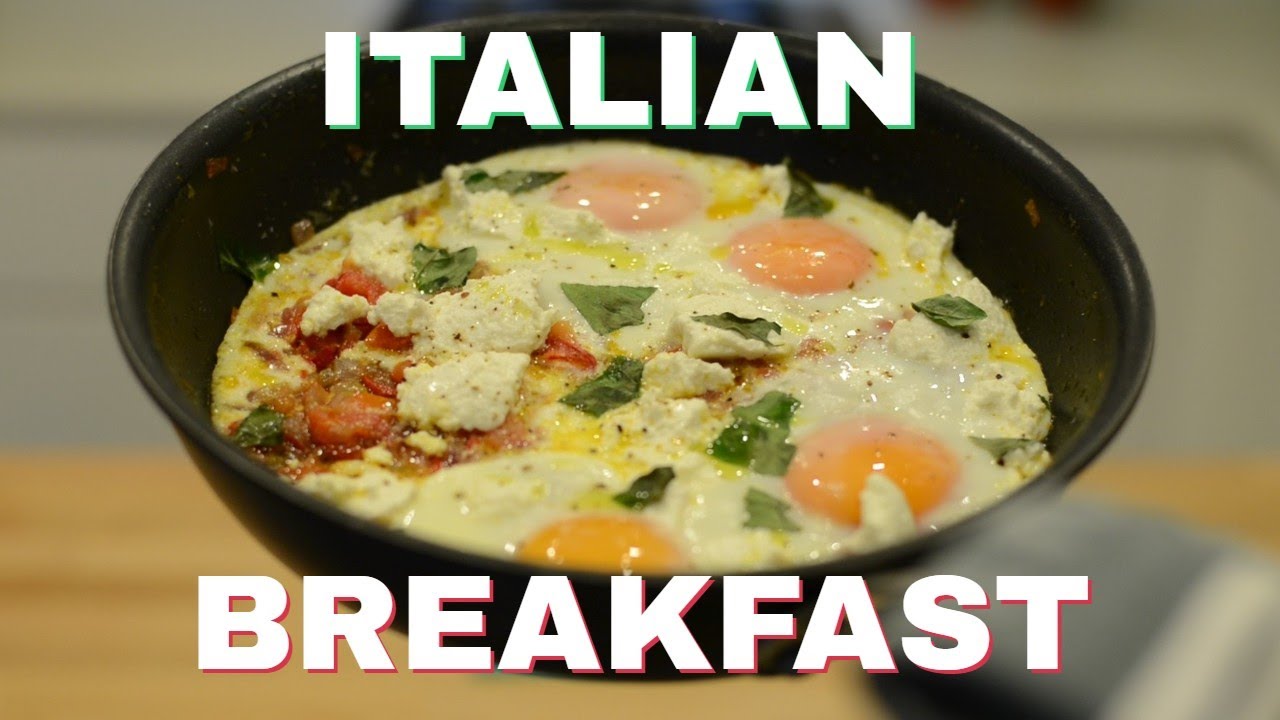
If you scroll through enough of my recipe archive, you’ll notice I keep coming back to the same idea: Italian breakfast recipes don’t have to be complicated to be satisfying. This frittata is the one I make most, because it takes maybe fifteen minutes of hands-on work and then quietly finishes itself in the oven while I make coffee and get the kids’ lunches together.
It’s built around sweet Italian sausage, wilted spinach, and blistered cherry tomatoes, all held together in eggs and finished with a scatter of parmesan. Cut into wedges, it’s the kind of breakfast that looks like you tried harder than you did — golden on top, a little crisp at the edges, soft and custardy in the middle.
What I love most is how flexible it is. Swap the sausage for whatever’s in the fridge, use up the last of a bag of spinach, and you’ve got a real breakfast that carries protein and fiber all the way to lunch instead of leaving you hunting for a mid-morning snack an hour later.
Why This Recipe Works
A frittata works because it cooks eggs low and slow rather than fast and hot. Starting it on the stovetop sets the bottom and edges, and finishing it in the oven lets the middle cook through gently, without the rubbery texture you get from cranking the heat to rush things along. That gentler approach is also what keeps the eggs creamy instead of dry.
Browning the sausage first, and doing it in the same pan you’ll bake the frittata in, means every bit of rendered fat and browned bits stays in the dish, seasoning the eggs from the inside instead of sitting flavorless on a paper towel. It’s one pan, one flavor base, and a lot less cleanup.
A good frittata isn’t rushed — it’s built in layers, and the oven does the patient part for you.
The tomatoes and spinach aren’t just there for color. Cherry tomatoes release a little juice as they cook, which keeps the eggs from drying out, and spinach adds bulk and fiber without watering down the texture the way a wetter vegetable might.
Tips Before You Start
A few small habits make the difference between a frittata that holds its shape and one that falls apart on the plate.
- Bring your eggs closer to room temperature before whisking — cold eggs hitting a hot pan can seize and scramble unevenly at the edges.
- Don’t skip patting the spinach dry after rinsing. Excess water pools at the bottom of the pan and makes the eggs slide around instead of set.
- Use an oven-safe, non-stick or well-seasoned cast iron skillet. A pan that can’t go from stovetop to oven means dirtying a second dish, and nobody needs that on a weekday morning.
Quick Recipe Information
Ingredients
- 8 large eggs (the protein backbone of the dish — for extra fluff, whisk in a splash of milk or water)
- 1/2 lb sweet Italian sausage, casings removed (swap for ground Italian sausage or a plant-based sausage for a vegetarian version)
- 2 tbsp extra virgin olive oil (a Mediterranean diet staple and one of the healthiest cooking fats you can use)
- 1 cup cherry tomatoes, halved (they burst slightly as they cook, keeping the eggs from drying out)
- 2 cups baby spinach, roughly chopped (adds fiber and volume without weighing the dish down)
- 1/2 small red onion, thinly sliced (sweetens as it cooks; shallot works as a milder substitute)
- 2 cloves garlic, minced (for depth — go easy if you’re not a fan of a strong garlic flavor)
- 1/2 cup crumbled feta or grated parmesan (feta adds tang, parmesan adds a nuttier, saltier note — either works)
- 2 tbsp fresh basil, torn (brightens the finished dish; flat-leaf parsley is a fine substitute)
- Salt and black pepper, to taste
- Pinch of red pepper flakes, optional (for a little heat, especially if using sweet rather than hot sausage)
Equipment Needed
- 10-inch oven-safe skillet (non-stick or cast iron)
- Mixing bowl and whisk
- Wooden spoon or silicone spatula
- Oven mitts (the handle stays hot longer than you expect)
Step-by-Step Instructions
- Preheat the oven to 375°F (190°C). Getting the oven up to temperature now means the frittata goes straight in once the stovetop work is done, with no waiting around.
- Brown the sausage. Heat 1 tablespoon of olive oil in your skillet over medium heat. Add the sausage, breaking it into small crumbles with a spoon, and cook for 5–6 minutes until browned and cooked through. This builds the flavor base for everything that follows.
- Soften the onion and garlic. Push the sausage to one side, add the remaining olive oil, and cook the onion for 2–3 minutes until it turns translucent. Stir in the garlic for the last 30 seconds — it burns quickly, so keep it moving.
- Add tomatoes and spinach. Stir in the cherry tomatoes and cook for 2 minutes until they start to soften and release a little juice. Add the spinach and cook just until wilted, about 1 minute. Season with salt and pepper.
- Whisk the eggs. While the vegetables cook, whisk the eggs in a bowl with a pinch of salt until the yolks and whites are fully combined and slightly frothy — this is what gives the frittata a lighter texture.
- Combine and set the edges. Spread the sausage and vegetable mixture evenly across the pan, then pour the eggs over the top. Let it cook undisturbed on the stovetop for 2–3 minutes, just until the edges begin to set and pull away from the sides of the pan.
- Finish in the oven. Sprinkle the cheese over the top and transfer the skillet to the oven. Bake for 15–18 minutes, until the center is just set and no longer jiggles when you gently shake the pan.
- Rest before slicing. Let the frittata sit for 5 minutes out of the oven. This lets the eggs finish setting so your slices hold their shape instead of spilling out. Top with fresh basil, slice into wedges, and serve.
Italian Sausage & Spinach Breakfast Frittata
A one-pan Mediterranean-style breakfast with sweet Italian sausage, wilted spinach, and blistered cherry tomatoes.
Ingredients
- 8 large eggs
- 1/2 lb sweet Italian sausage, casings removed
- 2 tbsp extra virgin olive oil
- 1 cup cherry tomatoes, halved
- 2 cups baby spinach, chopped
- 1/2 red onion, sliced
- 2 cloves garlic, minced
- 1/2 cup feta or parmesan
- 2 tbsp fresh basil, torn
- Salt, pepper, red pepper flakes
Instructions
- Preheat oven to 375°F (190°C).
- Brown sausage in oil, 5–6 minutes.
- Soften onion, then garlic, 2–3 minutes.
- Add tomatoes and spinach; cook until wilted.
- Whisk eggs with a pinch of salt.
- Pour eggs over filling; set edges on stovetop, 2–3 minutes.
- Top with cheese; bake 15–18 minutes until set.
- Rest 5 minutes, top with basil, and slice.
Chef’s Tips
- Don’t overbake it. Pull the frittata as soon as the center stops jiggling — carryover heat finishes the job, and a few extra minutes in the oven is the fastest way to a rubbery texture.
- Salt the eggs, not just the filling. Eggs need their own seasoning. If you only salt the sausage and vegetables, the eggy parts of each bite will taste flat.
- Let the pan get properly hot before adding sausage. A cold pan means the sausage steams instead of browns, and browning is where a lot of the flavor comes from.
- Grate your own cheese if you can. Pre-shredded cheese is coated in anti-caking starch that can make the top look slightly grainy instead of melting smoothly.
- Use a lighter hand with the spinach. Packing in too much can make the eggs watery once it releases moisture in the oven — two loosely packed cups is the sweet spot.
Common Mistakes
This happens because the frittata looks done and it’s tempting to dig in right away.
Prevent it: set a timer for 5 minutes after it comes out of the oven. Fix it: if you’ve already cut in and it’s runny, pop individual slices back under the broiler for 60–90 seconds.
Plastic or wooden handles melt or scorch in a 375°F oven, which is an easy detail to overlook mid-recipe.
Prevent it: check your skillet’s handle material before you start cooking. Fix it: transfer the mixture to an oven-safe dish before baking if your pan isn’t rated for oven heat.
Rinsed produce that isn’t dried well adds extra moisture the eggs can’t absorb, leading to a soggy bottom layer.
Prevent it: pat spinach dry with a towel and drain halved tomatoes briefly on paper towel. Fix it: if the finished frittata seems watery, return it to the oven uncovered for a few extra minutes to evaporate excess liquid.
High heat feels faster, but it sets the outside of the eggs before the inside has a chance to cook evenly.
Prevent it: stick to medium heat on the stovetop and let the oven do the gentle, even cooking. Fix it: lower the heat immediately and finish the rest of the cook time in the oven rather than on the stove.
Recipe Variations
- Vegetarian: Skip the sausage and add sautéed mushrooms and bell peppers instead — you’ll still get that savory, umami base.
- Gluten-Free: This recipe is naturally gluten-free as written; just double-check your sausage brand, since casings and seasoning blends sometimes contain fillers.
- Spicy: Use hot Italian sausage and add an extra pinch of red pepper flakes, plus a few thin slices of fresh chili if you like real heat.
- Dairy-Free: Leave out the cheese, or use a dairy-free feta alternative — the eggs and sausage carry plenty of flavor on their own.
- Low Carb: Already low in carbs as written; serve it alongside sautéed greens instead of toast to keep it that way.
- Kid-Friendly: Dial back the garlic and skip the red pepper flakes, and swap feta for a milder shredded mozzarella.
- Ground Italian sausage & potato: Add a cup of small diced, pre-cooked potatoes with the sausage for a heartier, more filling version that leans into classic traditional Italian breakfast recipes territory.
Storage & Reheating
Refrigerator: Let the frittata cool completely, then store in an airtight container for up to 4 days.
Freezer: Wrap individual slices tightly in plastic wrap, then foil, and freeze for up to 2 months. Thaw overnight in the fridge before reheating.
Best reheating method: A 300°F oven or toaster oven for 10 minutes keeps the texture closest to fresh. The microwave works in a pinch, but tends to make the eggs slightly rubbery.
Meal prep tip: This frittata is genuinely better the next day, once the flavors settle. Make it Sunday night, and you’ve got Mediterranean diet breakfasts covered for most of the week.
Serving Suggestions
- Whole grain toast with olive oil: A simple carb and fat combination that rounds out the plate without overshadowing the frittata.
- A small side salad with lemon vinaigrette: The acidity cuts through the richness of the eggs and sausage.
- Fresh fruit — berries or orange segments: Adds natural sweetness and fiber, balancing out the savory main.
- Greek yogurt with honey: A protein-rich side that leans further into Mediterranean diet breakfast habits.
- Espresso or strong coffee: The classic Italian pairing, and a nice contrast to the richness of the dish.
Nutrition Information
Values are estimates per serving (1 of 6 wedges) and will vary based on the specific brands and ingredients used.
Frequently Asked Questions
- What makes a breakfast “Mediterranean”?
It’s less about where the ingredients come from and more about the pattern: plenty of vegetables, whole grains, healthy fats like olive oil, modest amounts of red meat, and protein sources like eggs, yogurt, and beans.
- Can I use ground Italian sausage instead of links?
Yes — ground Italian sausage is actually easier here since there’s no casing to remove. Just brown it the same way, breaking it into small pieces as it cooks.
- Is this recipe healthy?
It follows core Mediterranean diet principles — eggs and sausage for protein, spinach and tomatoes for fiber and micronutrients, and olive oil as the primary fat. It’s a solid, balanced breakfast rather than a “diet food.”
- Can I make this ahead for the week?
Yes. Bake it, let it cool, slice it, and store portions in the fridge. It reheats well and actually holds its flavor nicely over a few days.
- What can I substitute for Italian sausage?
Turkey sausage, chicken sausage, or a plant-based sausage all work. You’ll lose a little richness from the fat, so consider adding an extra teaspoon of olive oil.
- Why did my frittata stick to the pan?
Usually it’s either a pan that wasn’t properly non-stick or cast iron that wasn’t well-seasoned, or not enough oil coating the pan before the eggs went in.
- Can I skip the stovetop step and bake it entirely in the oven?
You can, but starting on the stovetop sets the edges faster and shortens the overall oven time, which helps keep the center from overcooking before the edges catch up.
- Is this recipe gluten-free?
As written, yes. Just double-check the label on your sausage, since some blends include breadcrumbs or gluten-containing fillers.
- What’s the difference between this and an Italian omelette?
An omelette is folded and cooked quickly on the stovetop; a frittata is left open-faced and finished in the oven, which lets it hold more filling without falling apart.
- Can I add potatoes to make it heartier?
Yes — pre-cooked, diced potatoes added along with the sausage turn this into a more substantial, weekend-style breakfast.
Final Thoughts
This frittata has become one of my go-to italian breakfast recipes because it doesn’t ask much of you on a weekday morning, but it still tastes like something you sat down and planned. One pan, a handful of pantry staples, and forty minutes gets you a breakfast that actually holds you over.
It also happens to check every box for an easy Mediterranean diet breakfast — real protein, real fiber, good fat, and very little added sugar or processed anything. That combination is what keeps a breakfast satisfying long after the plate is empty.
Save this one. Make it once, and it tends to become the frittata you keep coming back to whenever the fridge needs using up and mornings need a head start.
Watch: More Mediterranean Diet Breakfast Ideas
Italian Breakfast Recipes: The Mediterranean Frittata you’ll make on repeat
Ingredients
- Bring your eggs closer to room temperature before whisking — cold eggs hitting a hot pan can seize and scramble unevenly at the edges.
- Don't skip patting the spinach dry after rinsing. Excess water pools at the bottom of the pan and makes the eggs slide around instead of set.
- Use an oven-safe, non-stick or well-seasoned cast iron skillet. A pan that can't go from stovetop to oven means dirtying a second dish, and nobody needs that on a weekday morning.
Instructions
- Bring your eggs closer to room temperature before whisking — cold eggs hitting a hot pan can seize and scramble unevenly at the edges.
- Don't skip patting the spinach dry after rinsing. Excess water pools at the bottom of the pan and makes the eggs slide around instead of set.
- Use an oven-safe, non-stick or well-seasoned cast iron skillet. A pan that can't go from stovetop to oven means dirtying a second dish, and nobody needs that on a weekday morning.